Help protect local bats
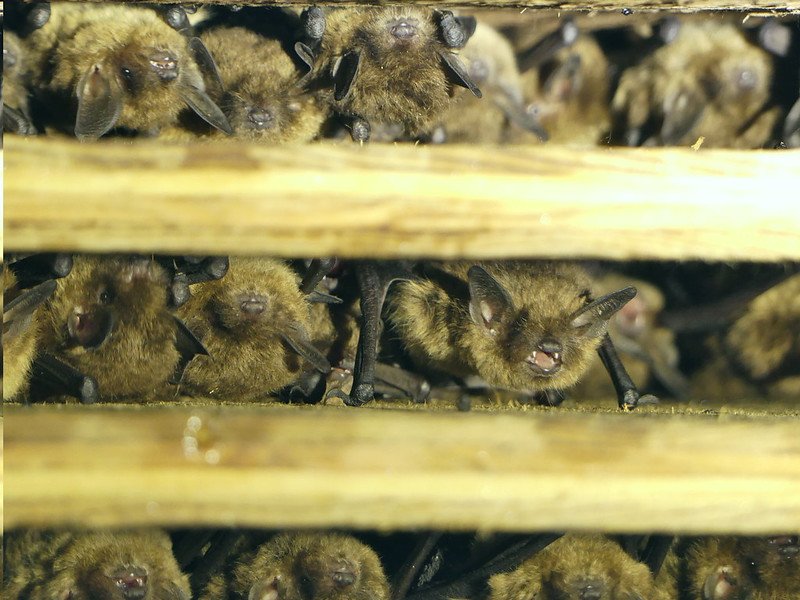
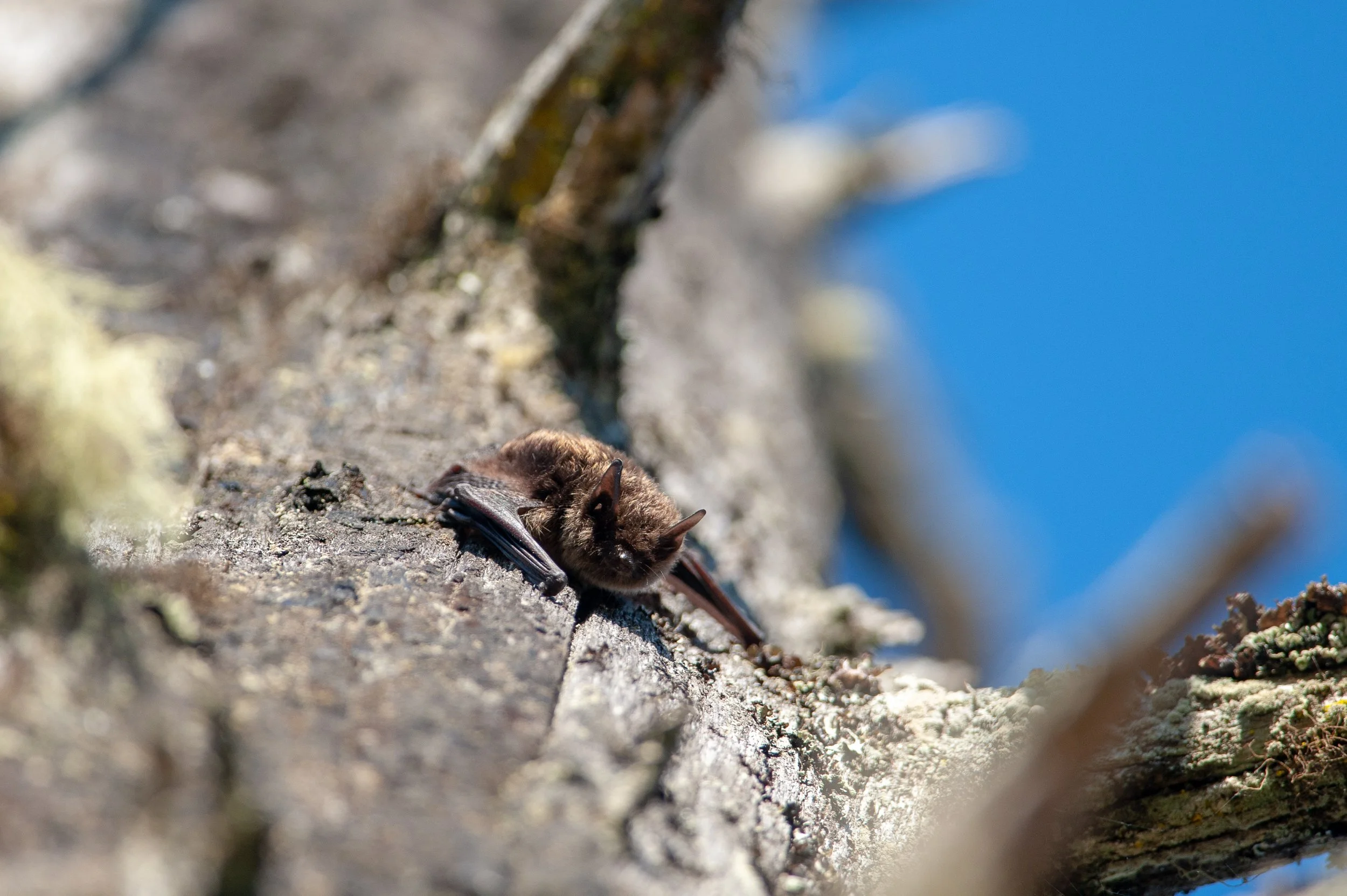
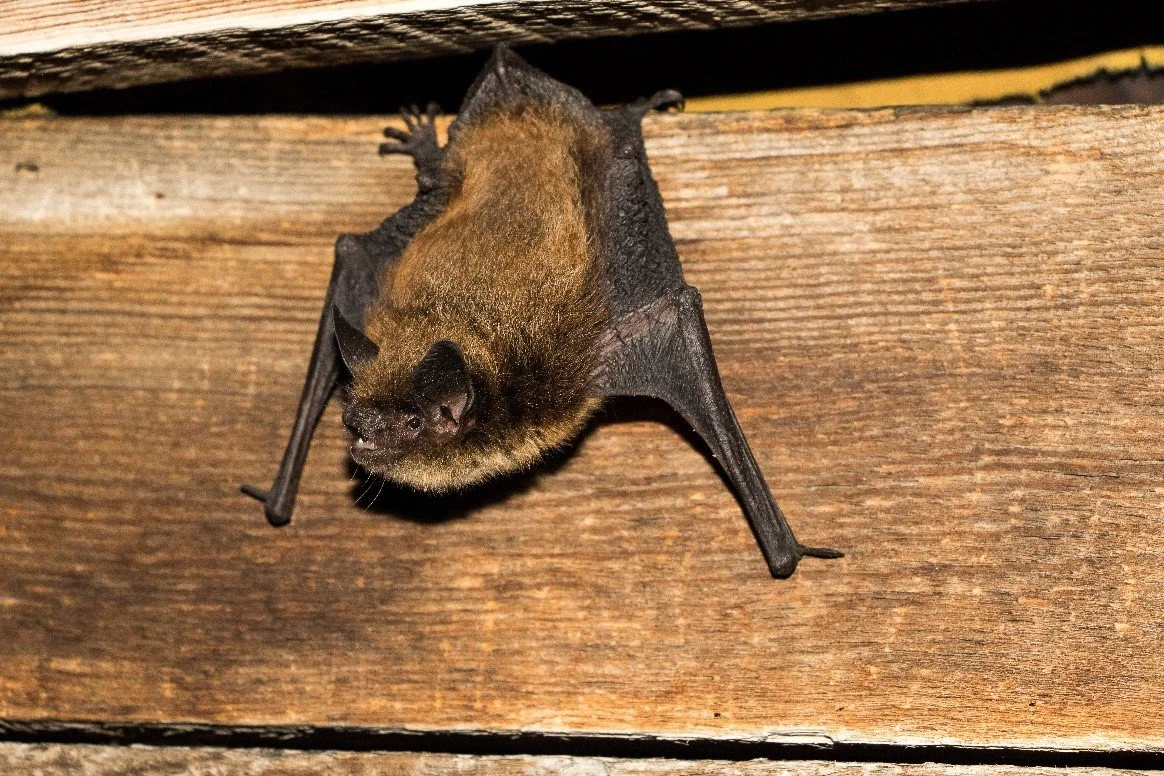
ȽELBELAXEN (meaning “bat” in SENĆOŦEN) are amazing little creatures, and we are asking for your help in protecting them. The BC Community Bat Program is working to monitor for white-nose syndrome, a devastating disease that has caused significant declines in bat populations across what is now known as North America.
What is white-nose syndrome?
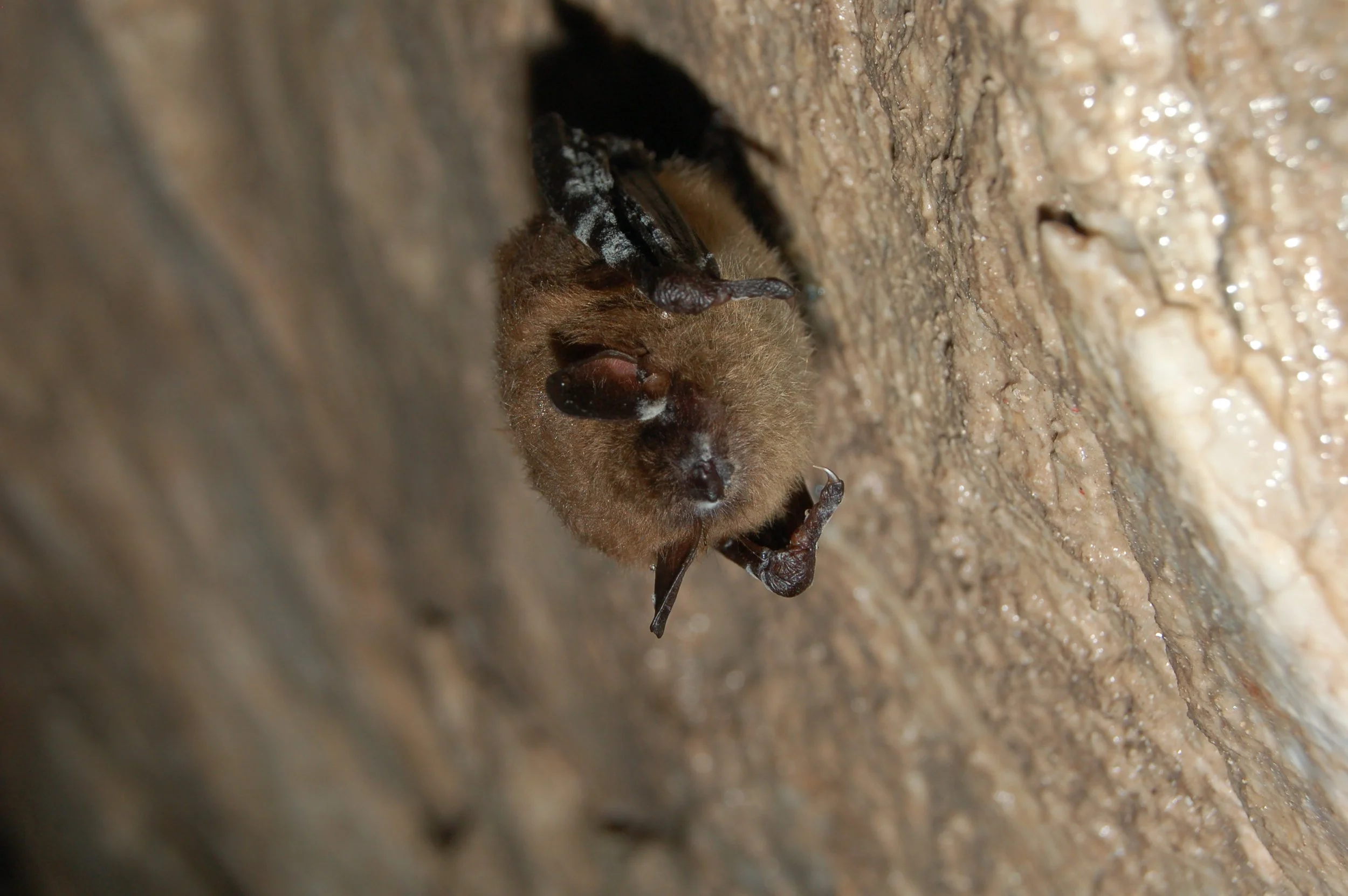
Hibernating myotis with WNS by Jordi Segers
White-nose syndrome is a fatal disease caused by a fungus called Pseudogymnoascus destructans (Pd). The fungus grows on the face, ears, and wings of bats, damaging their skin and disrupting hibernation. Affected bats may wake up frequently during hibernation, using up precious energy reserves they built up over the summer foraging for insects. The fungus causes bats to behave irregularly, like flying outside during the daytime in winter in search of food and water. Bats may die from lack of energy in the winter or early spring. Luckily, the disease does not affect humans, pets, or other animals. Learn more about the disease here.
With the arrival of white-nose syndrome and Pd to our region and our neighbours south of the border, monitoring our local bat populations is more important than ever. Curious where white-nose has been detected? Check out NABat WNS occurrence map to learn more.
How can you help?
Report all sick or dead bats between November 1 and May 31. If the bat did not come into contact with humans or pets, we will collect the bat to test for white-nose syndrome.
If you find a bat:
→ Keep your distance, take a photo, and report it
→ Never touch a bat with bare hands
→ Contact HAT or the BC Community Bat Program for instructions on how to collect dead bats
→ Email bat@hat.bc.ca or visit www.bcbats.ca to report your sighting
On the brighter side
While there is currently no known cure for white-nose syndrome, researchers are working hard to protect bats, and promising treatments are being developed. One approach involves a probiotic cocktail, which is a blend of four probiotic strains that occur naturally on some bats. The treatment is applied to bat roosting sites in the summer to protect bats as they head into hibernation. This treatment has shown success in suppressing the growth of Pd, the fungus responsible for white-nose syndrome. Learn more about this exciting work here.