
Five Practices for a Wildfire Resilient Property
We’ve heard from many members of our community that wildfire risk is a growing concern, and it’s easy to see why. With an average of 1600 wildfires a year in BC, and summers only getting hotter and drier, wildfire resilience is a more important topic than ever. Luckily, there are many steps you can take to be proactive in making your property more fire resilient, while also supporting and maintaining biodiversity!
We are very grateful to Bethany from Garden Alchemist for sharing this important knowledge with us. Bethany offers Wildfire Resilient Gardening Workshops regularly, both online and in-person, which are an excellent way to learn more.
5 ways you can take action:
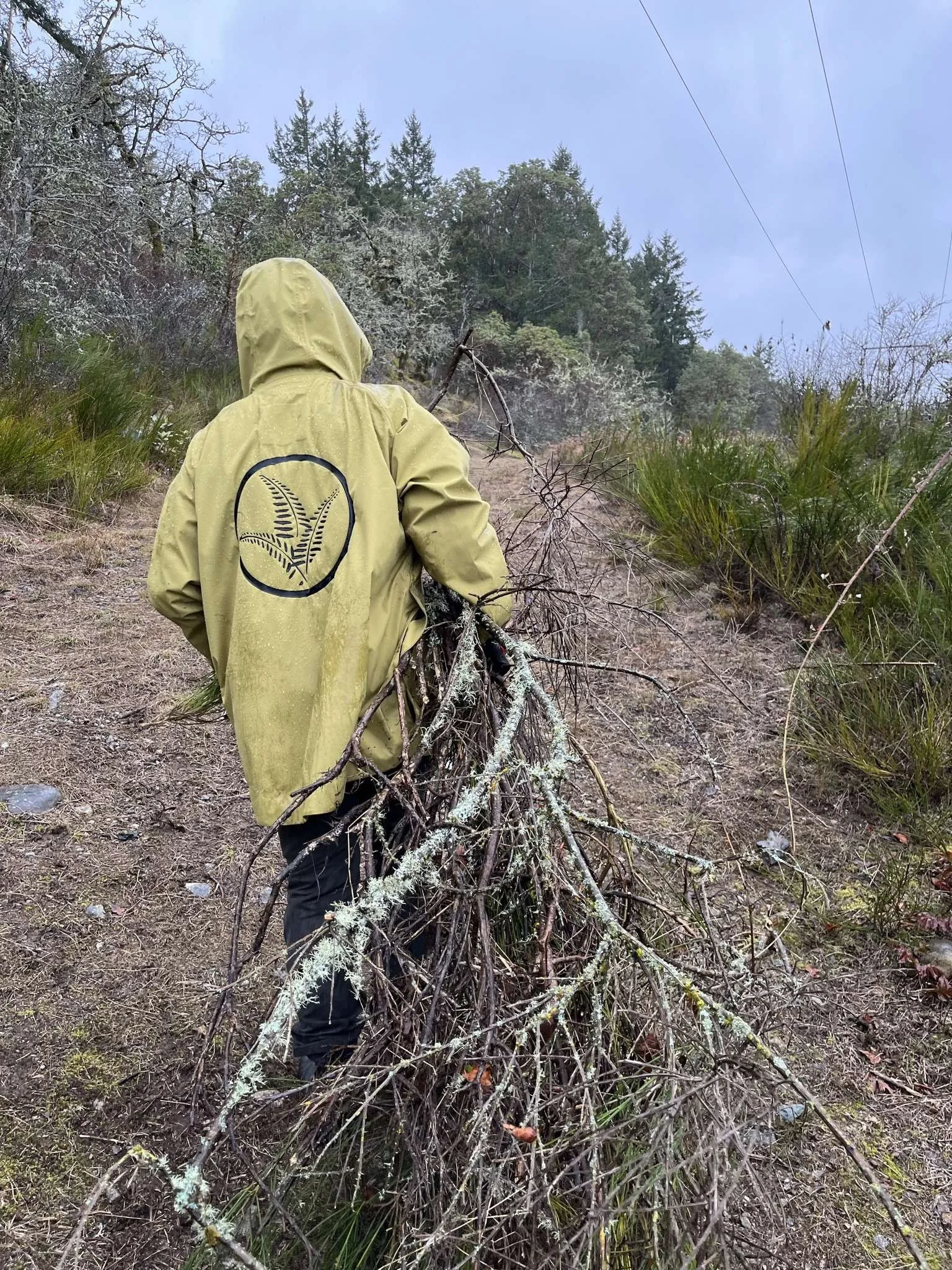
Removing highly flammable plants like Scotch broom helps reduce fire risk.
Remove invasive species
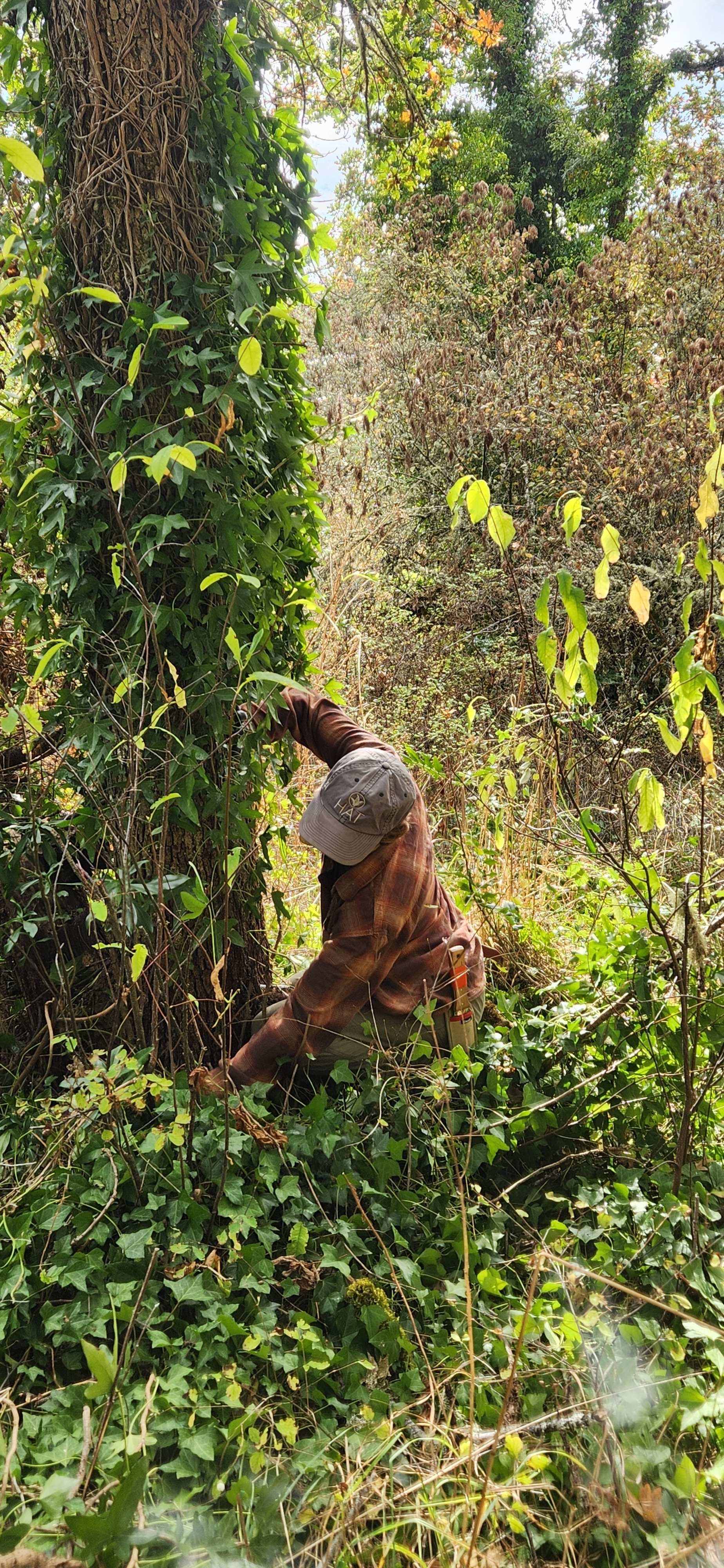
Removing invasive species will have so many positive impacts on the landscape, and making your property more fire-resilient is one of them! Many invasive species, including common invaders like Scotch broom (Cytisus scoparius), gorse (Ulex europaeus), English holly (Ilex aquifolium), and English ivy (Hedera helix) are high-risk plants. Be sure to properly dispose of invasive plant material after removal, and avoid leaving large brush piles around your property, especially near structures. For more information on invasive species management, see the Invasive Species Council of BC.
Work with native plants
When it comes to wildfire resilience, not all vegetation is created equal. Some plants pose a high wildfire risk due to volatile oils and resins or excessive shedding of leaves, needles, twigs, or bark. Be cautious with plants that are highly fragrant! Fortunately, native plants tend to be fire resilient as they have co-evolved alongside fire through natural forest fires and cultural burns.
Some things to keep in mind when planting:
In general, herbaceous vegetation is less flammable than woody vegetation, and deciduous trees are less flammable than conifers.
Choose plants that are appropriate for your site. For example, avoid planting woody, flammable plants in spots where they’ll be touching or overhanging structures.
Consider management before you plant. Mitigate fire risk by keeping shrubs pruned and clearing up excess plant material in high-risk zones, or select plants that are lower-maintenance.
Spacing is important! Avoid densely planting trees and shrubs to reduce continuous fuel load.
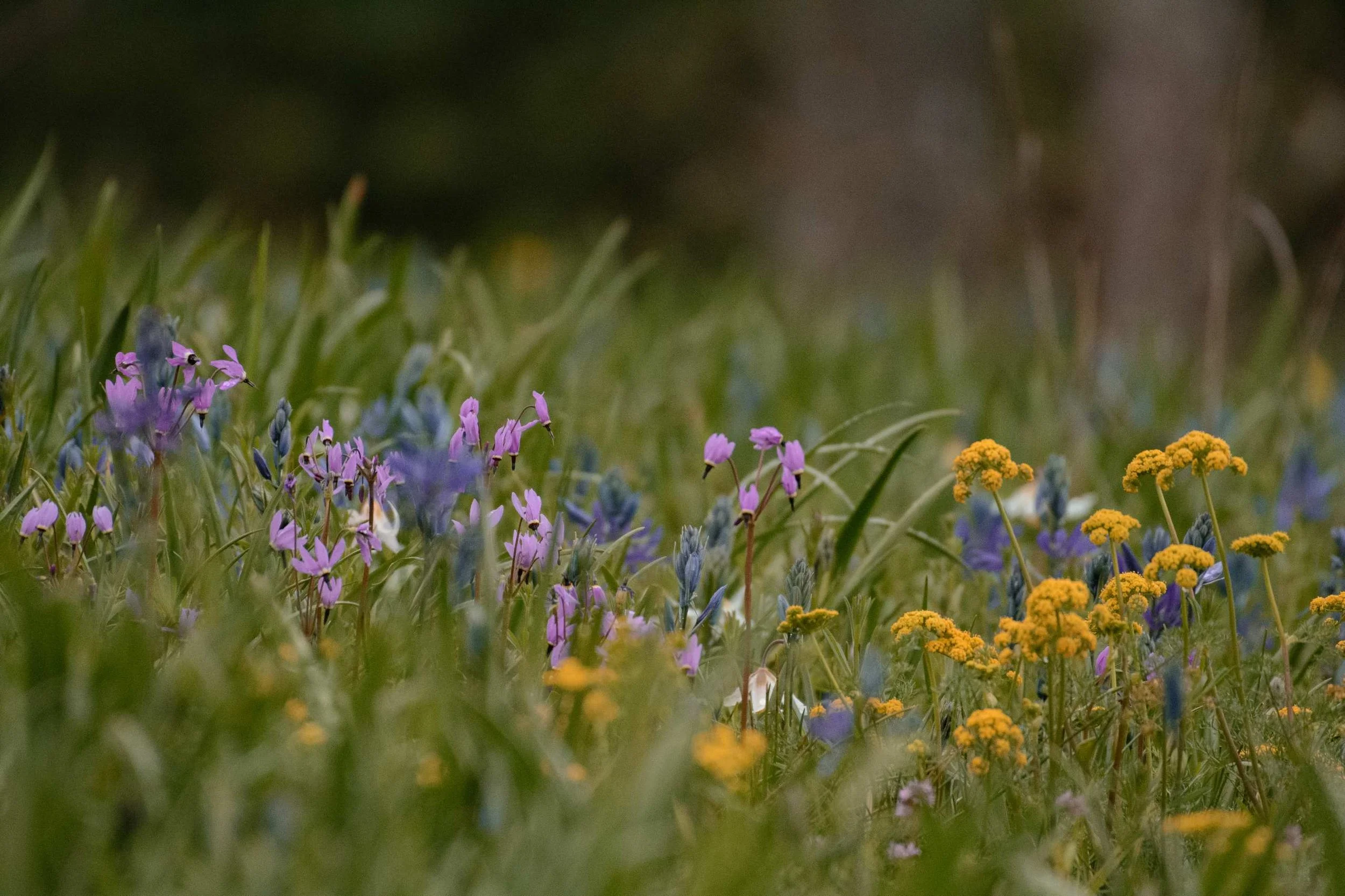
Native plants contribute to beautiful and fire-resilient landscapes! Photo: Vanessa Brownlee.
Manage trees and woody debris
A big part of making your property more wildfire resilient is working to manage “ladder fuels” - anything that fire can use as a “ladder” to climb structures, trees, or other vegetation. This can include shrubs and tall grasses, wood/brush piles, low-hanging branches, and even flammable patio furniture.
To manage trees:
For mature trees that you’d like to maintain, remove low-hanging branches at least 6.5ft above whatever is underneath them.
Consider creating a bigger buffer for any branches overhanging structures (limb at least 10ft above the structure).
Snags (dead standing trees) are extremely beneficial for wildlife. If you can maintain them a safe distance from your house and other structures, reduce fire risk by having them limbed and topped and remove fine fuels like dry needles.
Around structures, consider clearing up highly flammable fine, dry plant material like dead plants and fallen leaves/needles. However, you can create great wildlife habitat by leaving larger decomposing logs on the ground a safe distance from your house!
Choose groundcovers wisely
The groundcovers you choose can have a big impact on how fire resilient your property is! Particularly when creating paths around your structures, avoid highly flammable groundcovers like wood chips and pine needles. Opt for lower risk ground covers such as rock, gravel, green mulch, and mature compost instead. See Mulches and Fire Risk for more information.
Continue your learning
It can feel overwhelming knowing where to start in making changes on your property, but there are lots of great resources available to landowners and stewards. We encourage you to explore the links below to learn more.
Get a free FireSmart Home Assessment
Attend a Wildfire Resilient Gardening Workshop
FireSmart Begins With You guide
Find more information for your municipality:
Habitat Acquisition Trust is not affiliated with or endorsed by FireSmart™ BC or FireSmart™ Canada. FireSmart, Intellifeu and other associated Marks are trademarks of the Canadian Interagency Forest Fire Centre.