
Summer as the Wildlife Stewardship Intern
By Madisen Asante
Hi there!
I'm Madi and for the past four months I've been the Wildlife Stewardship Intern here at HAT. My summer has been filled with wildlife monitoring, supporting landowners, invasive species removals, organizing volunteers, leading wildlife walks, and so much more! Let me show you some of the highlights!
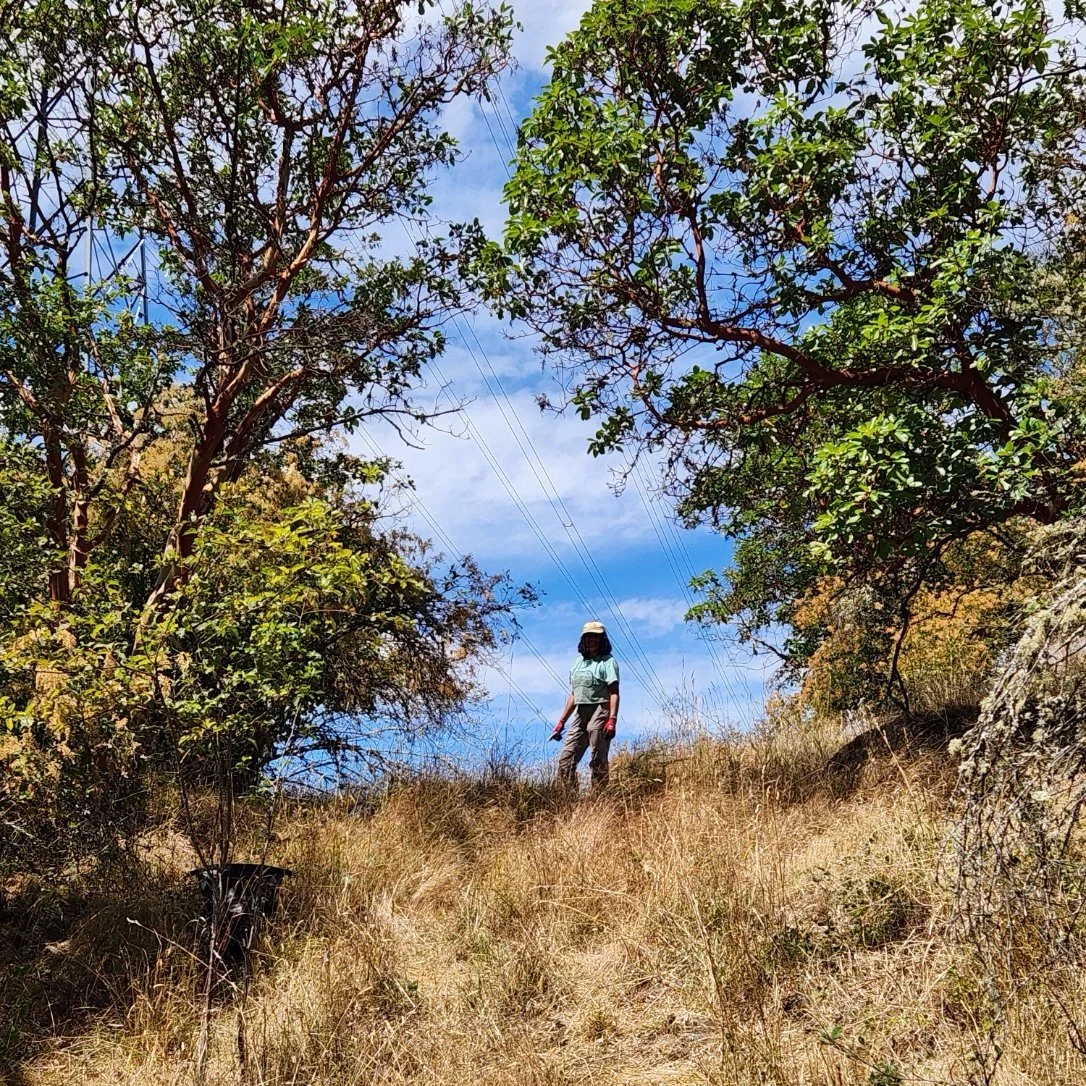
Photo by Chelsea Nuez
May
It's one of my first days out in the field, and we're heading out to monitor Western screech-owl boxes. I strap a nest box camera to a telescoping pole, hoist it up into the forest understory, and peer into the nest box. Staring right back at me is a fiercely protective female screechie, guarding her newly hatched brood of owlets.
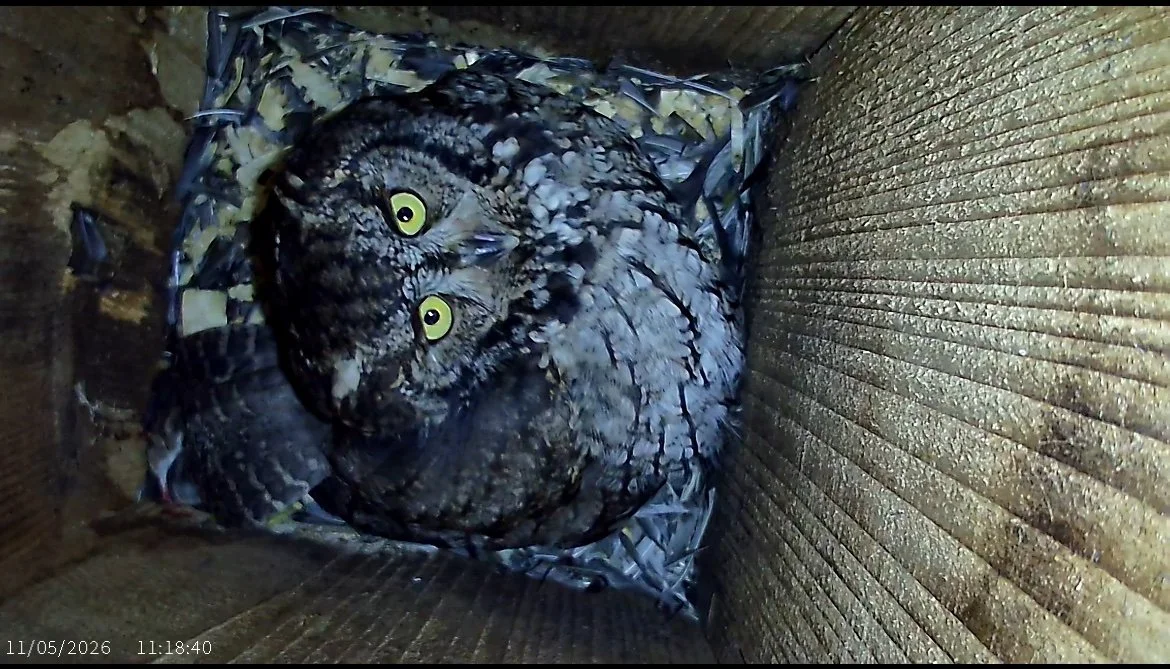
Western screech-owl (Megascops kennicottii)
HAT has been monitoring Western screech-owls as part of its wildlife program since 2015, installing over 100 boxes across ideal habitat within the Greater Victoria area. This work includes nest box checks, call playback surveys, and sound recordings.
Work here is incredibly varied. One day you'll be out in the field monitoring an owl nest, the next you're mailing deceased bats so they can be tested for white-nose syndrome. There's never a dull moment!
June
After a long day of checking owl nest boxes whose only inhabitants have been red and grey squirrels, my field partner and I bushwack through dense salal, arriving at another owl box mounted on a mature Western red cedar. Within the box, we find a family of Northern saw-whet owls staring back at us in frightened shock!
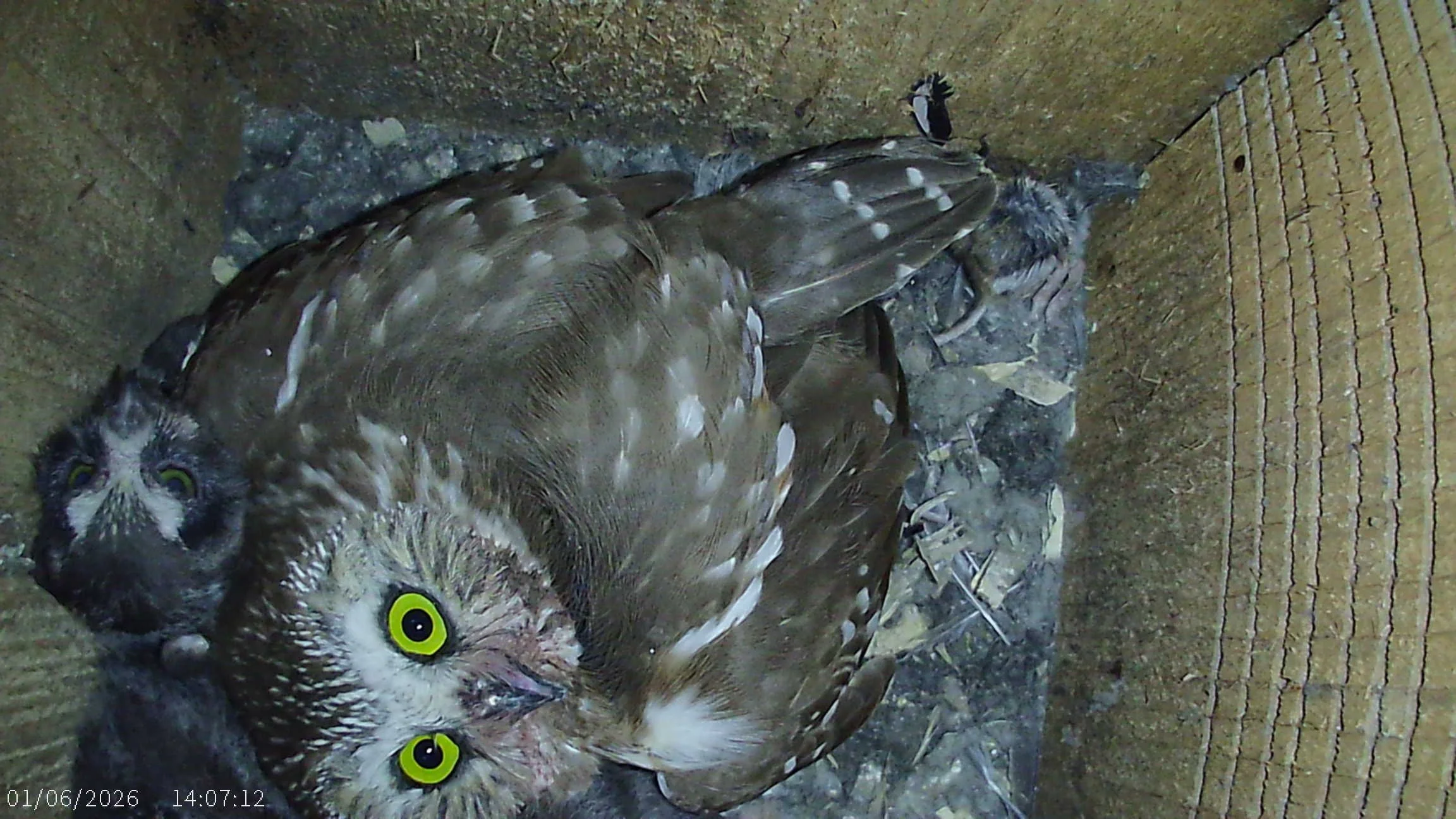
Northern saw-whet owl (Aegolius acadicus)
It's bat count season now, and I'm working with HAT's wonderful network of volunteers to organize the Southern Vancouver Island Annual Bat Count. This engaging and enthusiastic community is immensely supportive, allowing me to learn, teach, and grow.
As a member of the BC Community Bat Program, HAT runs the Southern Vancouver Island chapter and is responsible for conducting the annual bat count, responding to public inquiries, and providing education around bat safety and conservation!
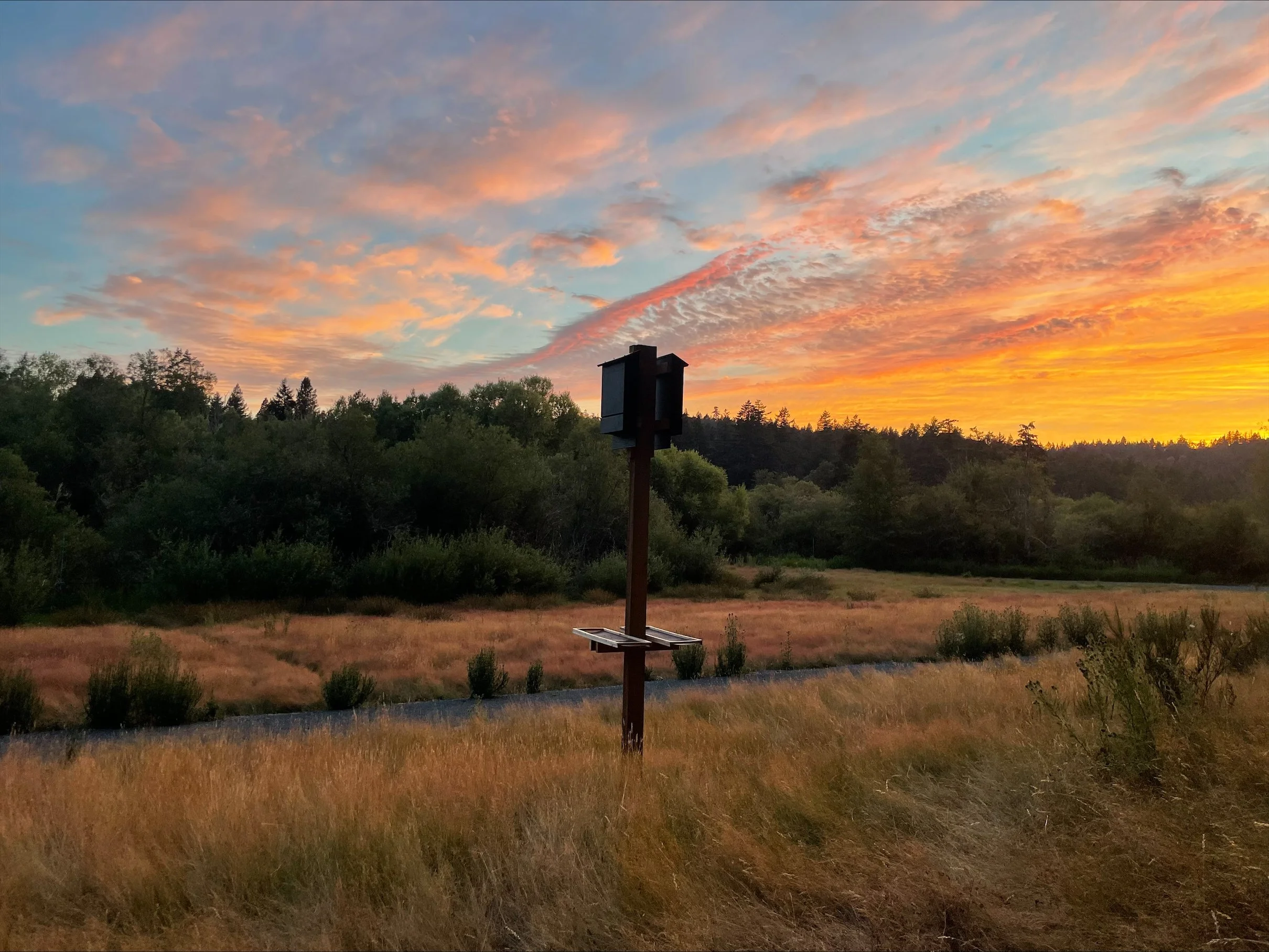
Two bat boxes with guano trays.
A team of volunteers and I are quietly seated around a maternity bat box at sunset. The soft chatter of the bat's pre-exit calls fills the warm June air, mixing with the songs of nighthawks and thrushes. We count the bats as they exit, backlit against the setting sun.
July
Trailing through thick swaths of invasive reed canary grass, the stew crew (stewardship crew) and I listen as a biologist outlines management recommendations to a landowner to limit the spread of this highly competitive invasive. She thoughtfully meets landowners where they're at, taking the time to celebrate the small wins "one square foot at a time."
Restoring degraded and altered ecosystems is complicated work. Management strategies often vary between sites and require time, patience, and adaptability. But there's hope–working with passionate professionals and dedicated stewards, HAT is able to support the restoration of ecosystems across Southern Vancouver Island!
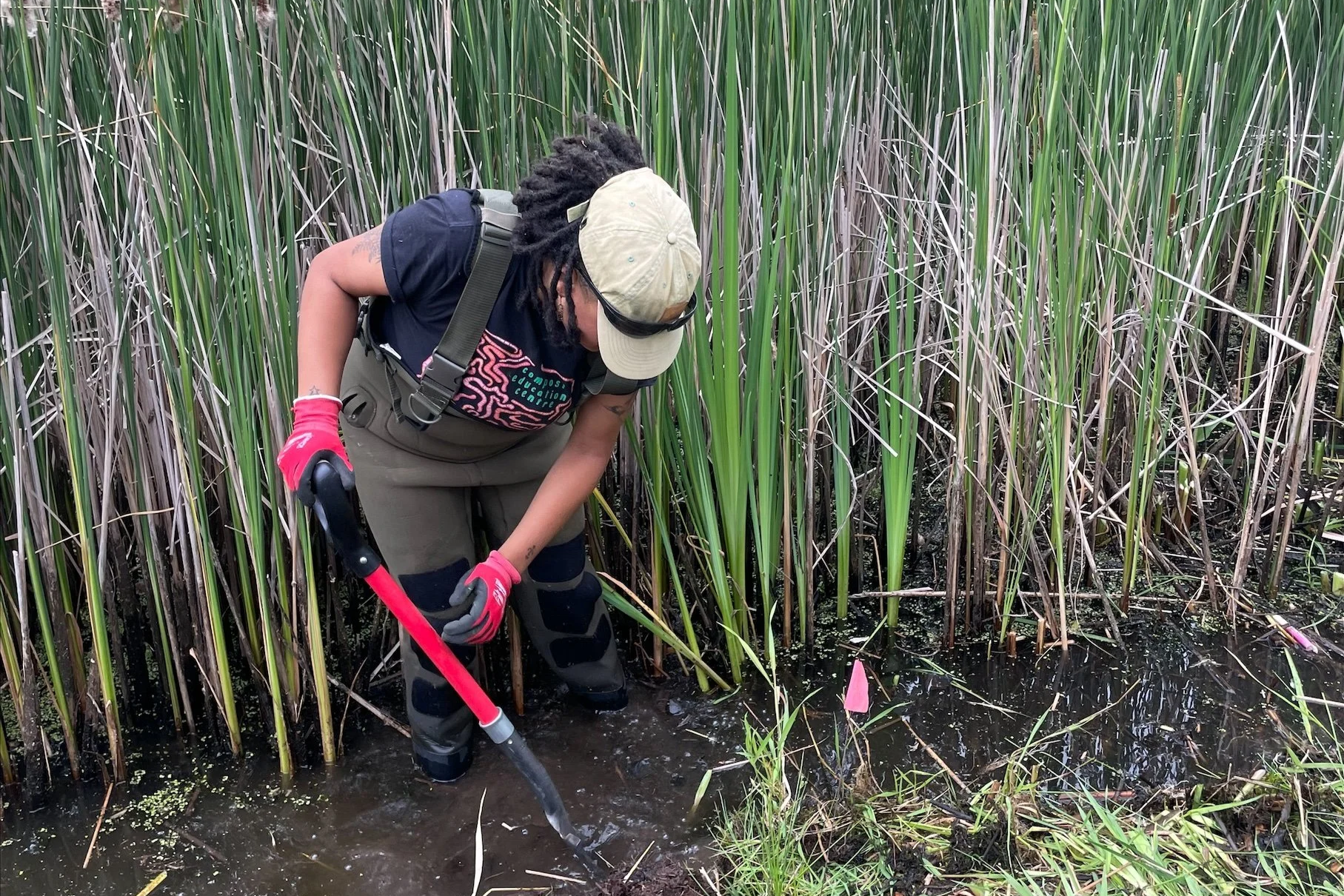
Today, the stew crew is smothering yellow flag iris rhizomes along the edge of a pond. This 3-hour job turned whole-day endeavor results in a successfully tarped patch of yellow flag iris, and us, covered in mud (this is one of my favourite memories!).
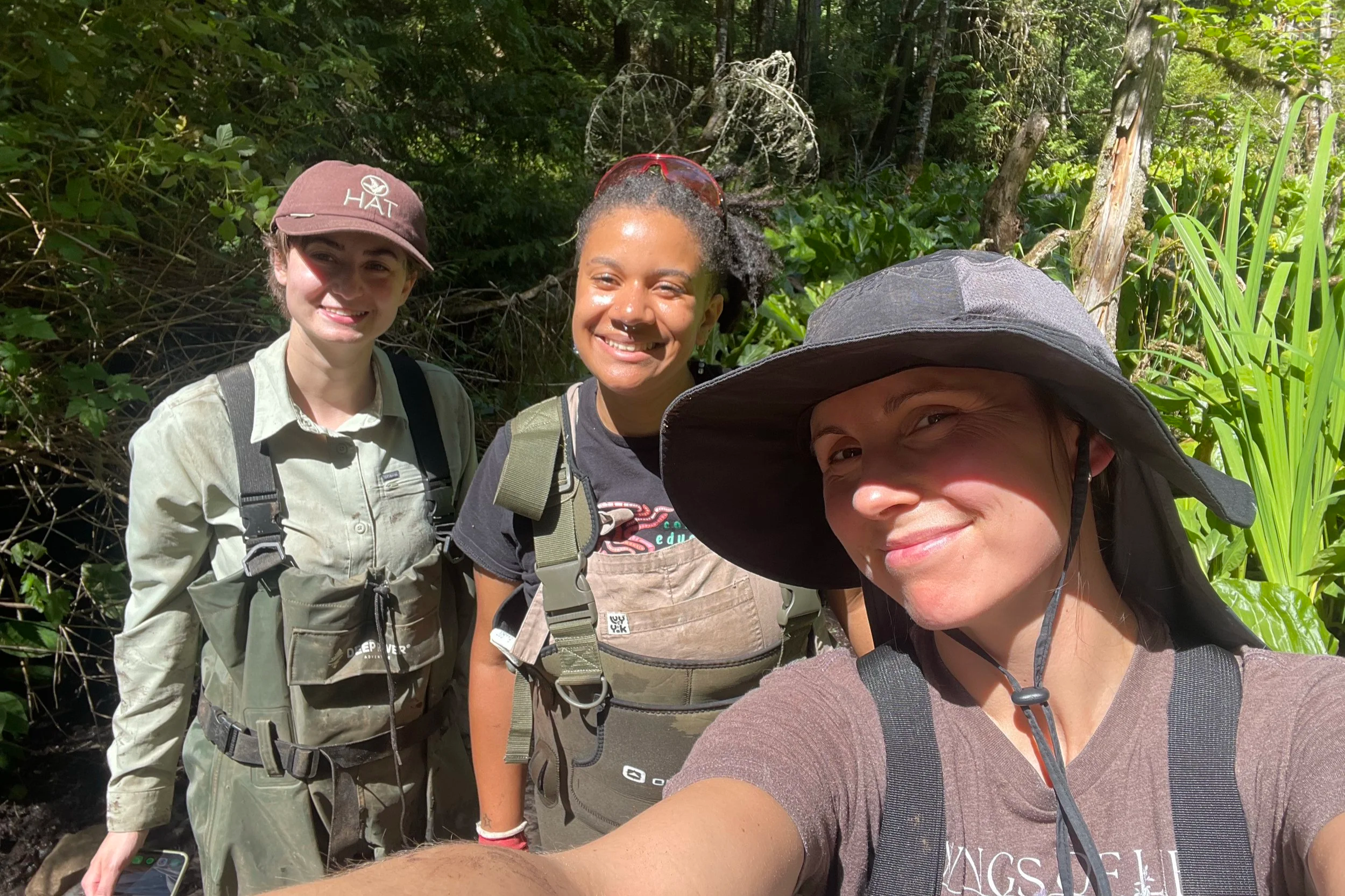
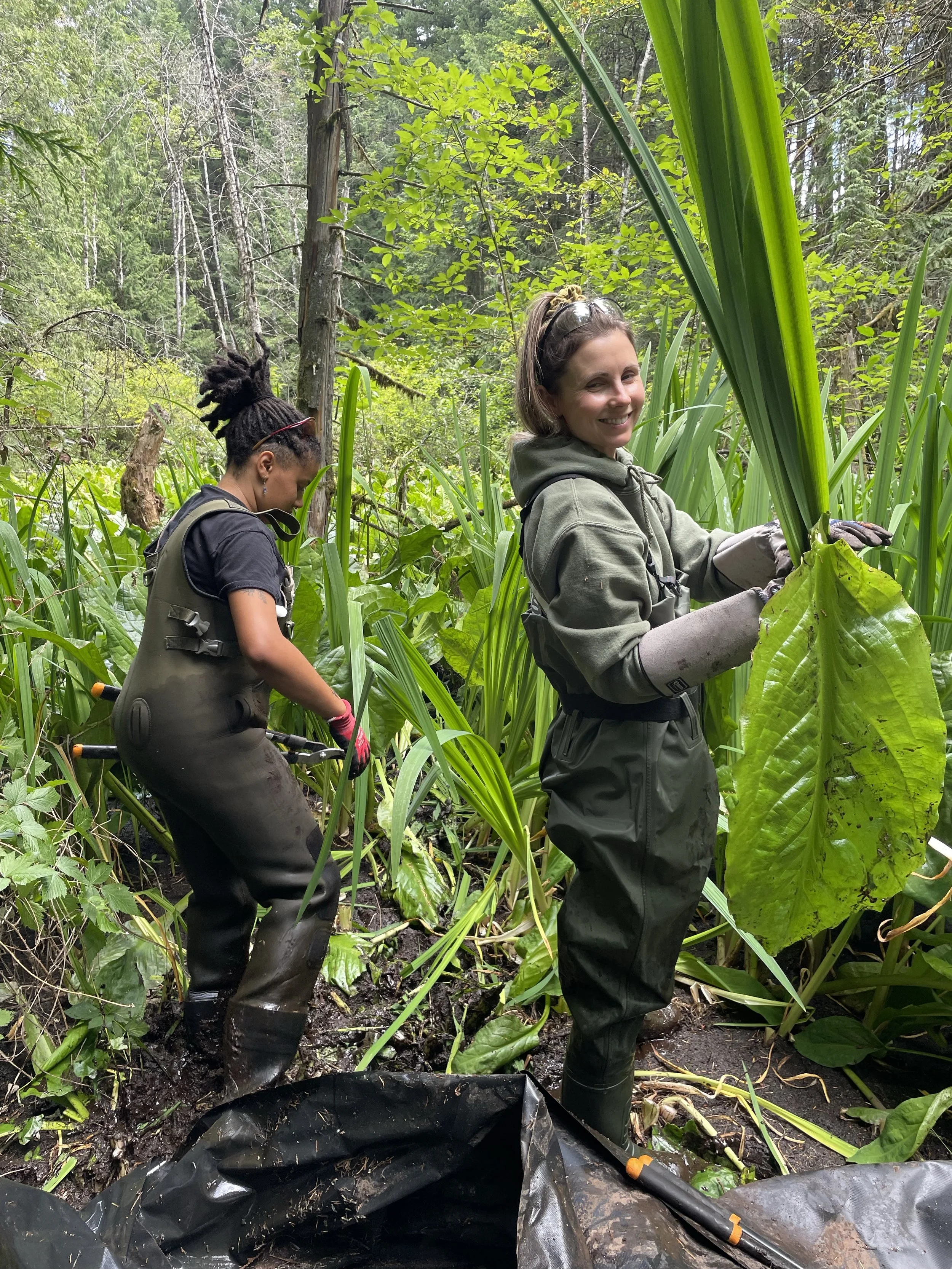
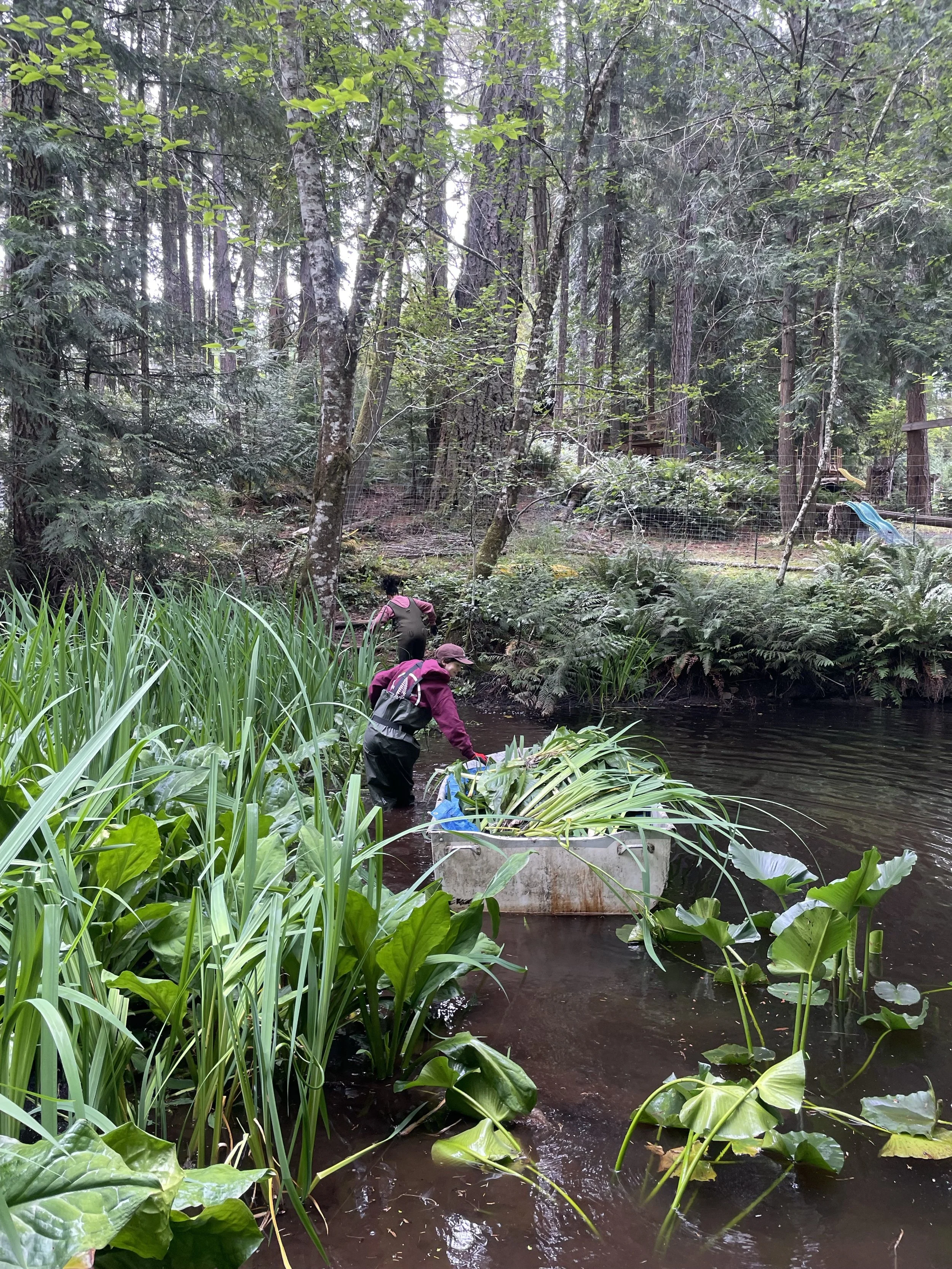
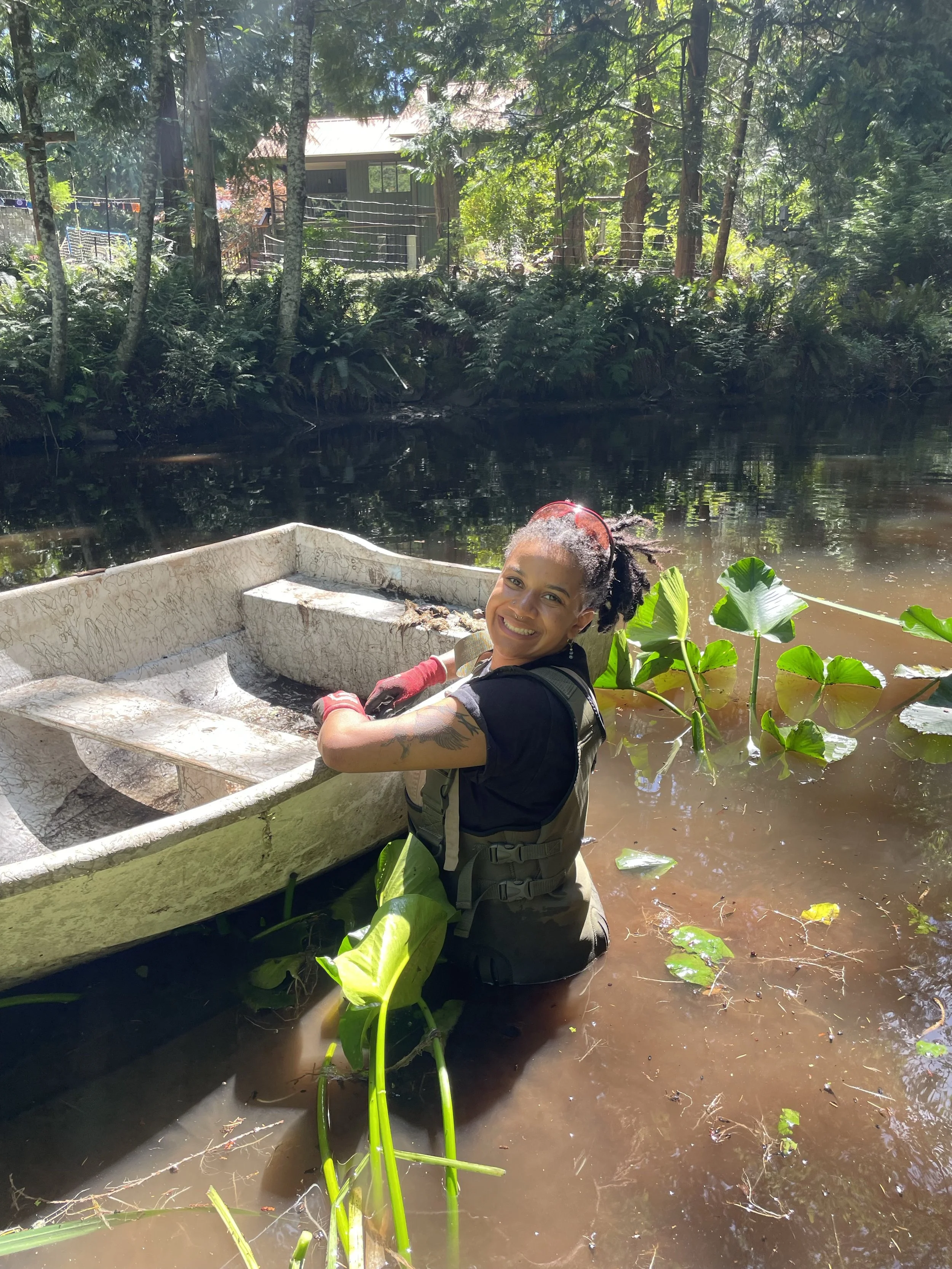
To break up my days in the office, I join the field crew in Goldie Star (the work van) and head out for a day of Scotch broom (or daphne or Himalayan blackberry) removal. This work asks important questions such as, "If you were a frog, toad, or salamander, which one would you be?"
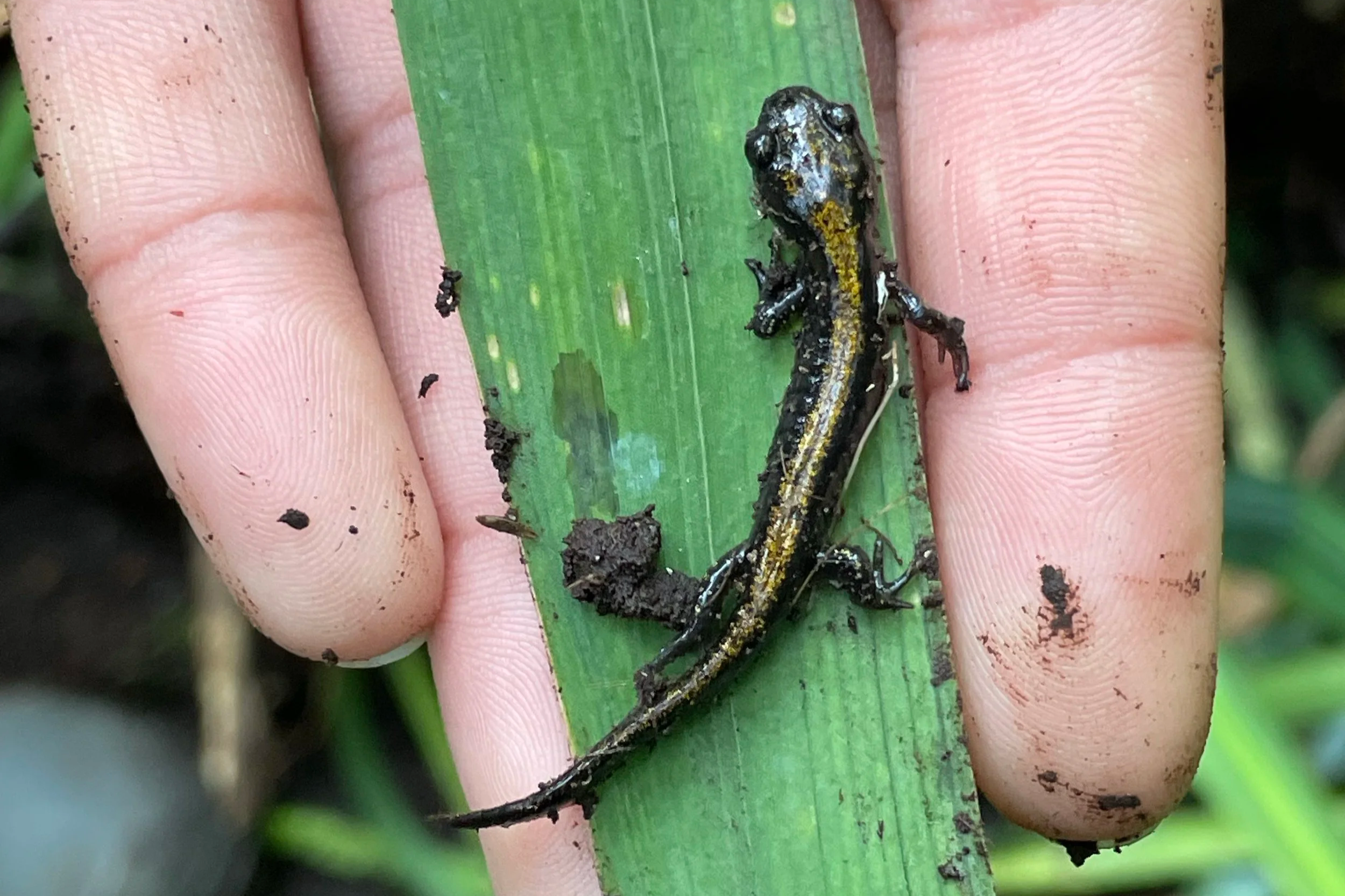
Long-toed salamander (Ambystoma macrodactylum)
It's near the end of July, and this morning the team at HAT is heading out to lead a workshop for the W̱SÁNEĆ Lands Trust Society stewardship crew. The day flows easily with folks sharing their knowledge on bird surveys, Western screech-owl monitoring, and habitat assessments.
August
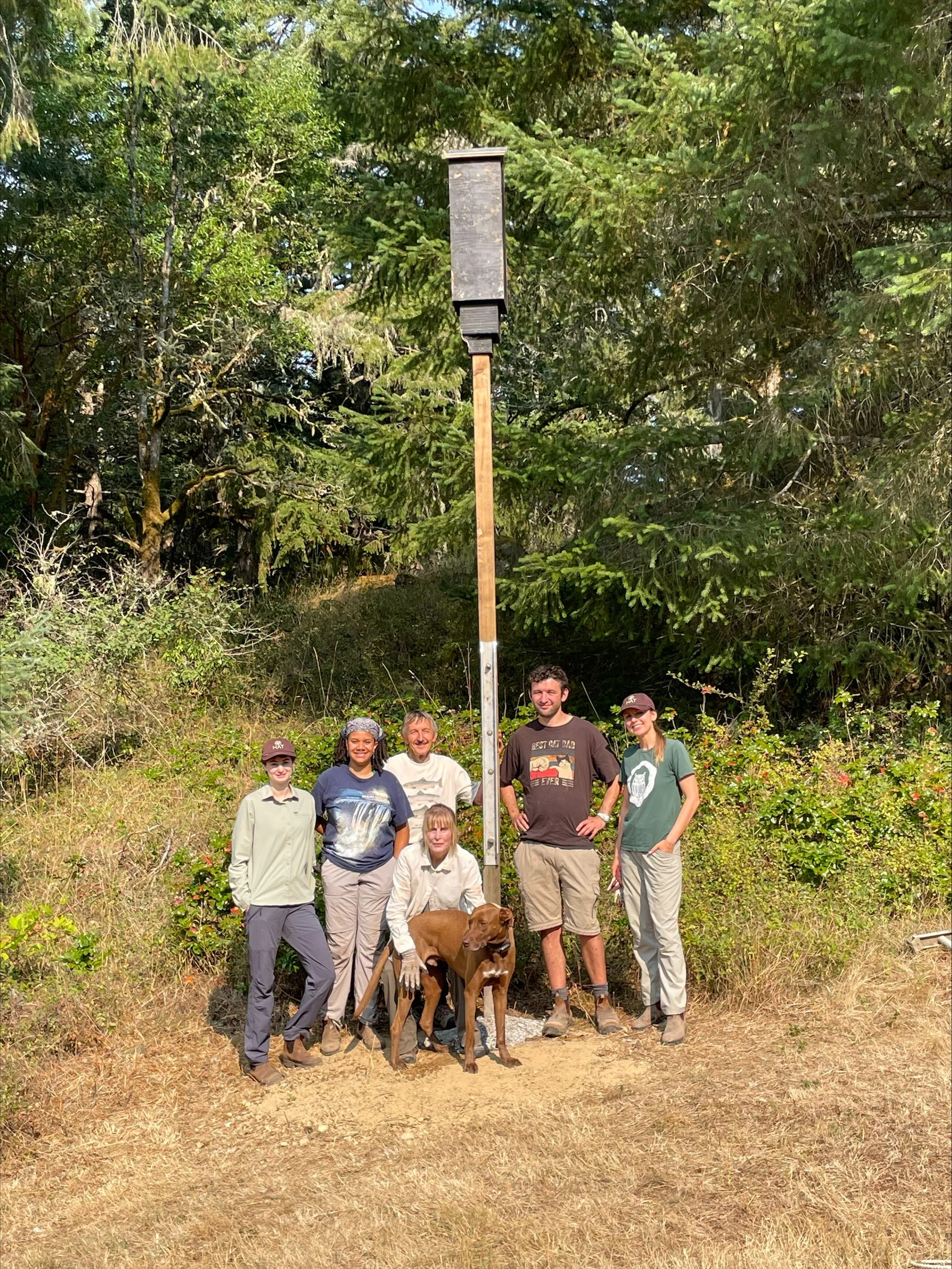
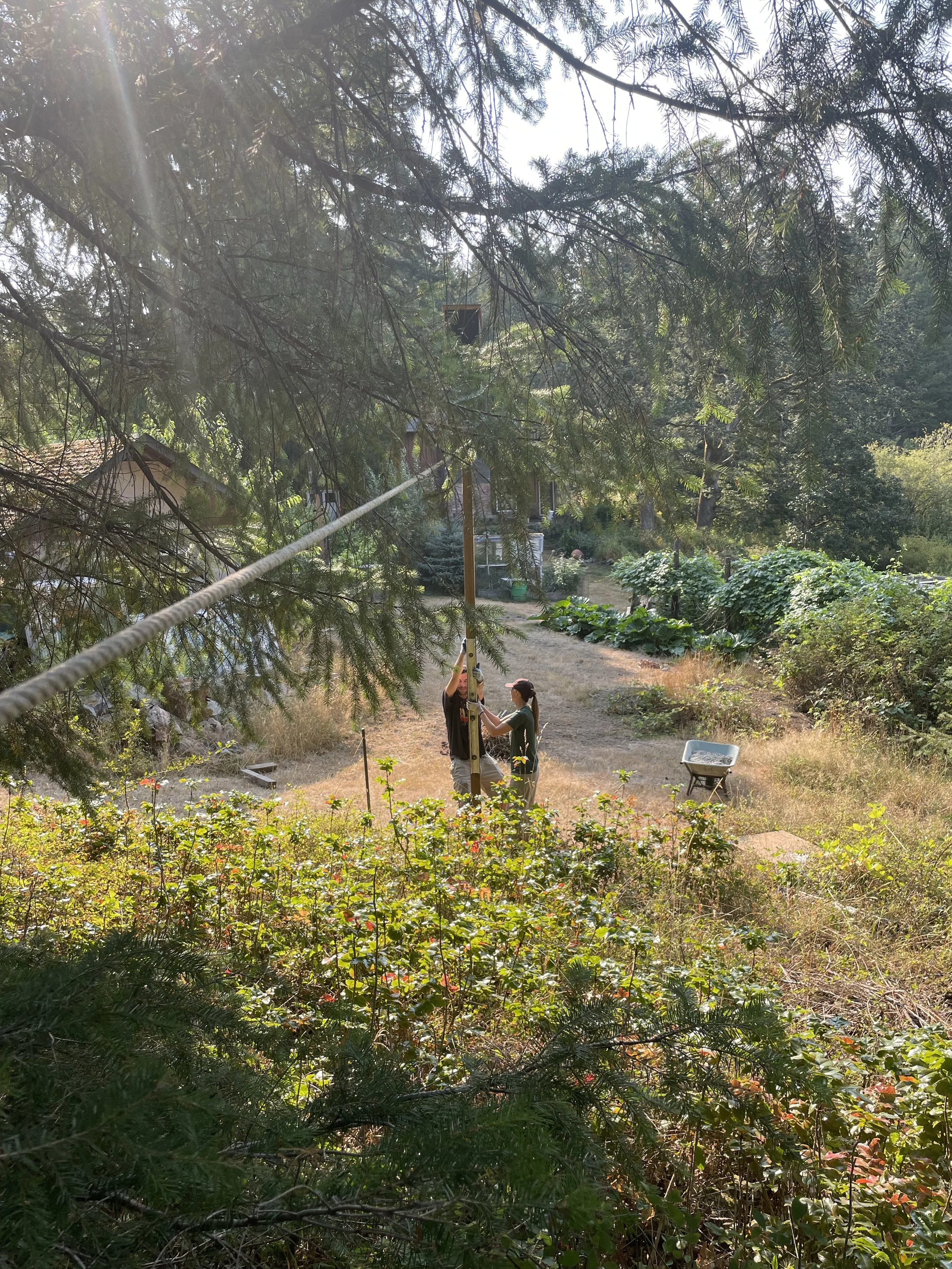
It's one of my last days in the field, and the stew crew and some volunteers are attempting (for the second time) to hoist up a bat maternity box on a pole. We ran into some hurdles the first time, but lucky for us, attitudes and spirits are high. Who can be mad when you're supporting habitat for our flying friends!
Goodbye (for now)
This summer I was thrown into the world of community-based conservation and environmental education. Through it, I got to explore my relationship to these lands as a settler, learn how to effectively support those already stewarding the land, and build my confidence in environmental communication. Thanks to all the friends and coworkers, volunteers and community members who made this summer so special!