
Returning to PKOLS
A reflection by Jamison Schulz-Franco
One of my favourite memories from when I was a child is rolling down my window while driving through PKOLS on my way home from school. This open-air meditation was a cleanse from the tension that had built up in my body while sitting at school all day. These moments allowed me to be renewed again by the rich scents and sensations of the forest at PKOLS and were one of the many natural wonders I got to experience while growing up on the traditional territories of the W̱SÁNEĆ First Nations.
I stood there at PKOLS last week in circle with SNEMIŦIYE Dominique James and our friends at Human Nature Counselling reflecting on how important this place has been in my lifetime, and still, how new I am to it. I was reminded of the generations of W̱SÁNEĆ and lək̓ʷəŋən Peoples who have shared stories (and continue to share stories) from these sacred lands as we learned about the plant medicines that PKOLS is home to. We also learned about some of the ways W̱SÁNEĆ, and lək̓ʷəŋən Peoples have loved and been loved by this place.
As I learn more about the ways these local Host Nations moved between areas of their territory, I learn a great respect for the ways Indigenous peoples moved intentionally to set up their homes—sometimes days, months, or seasons at a time.
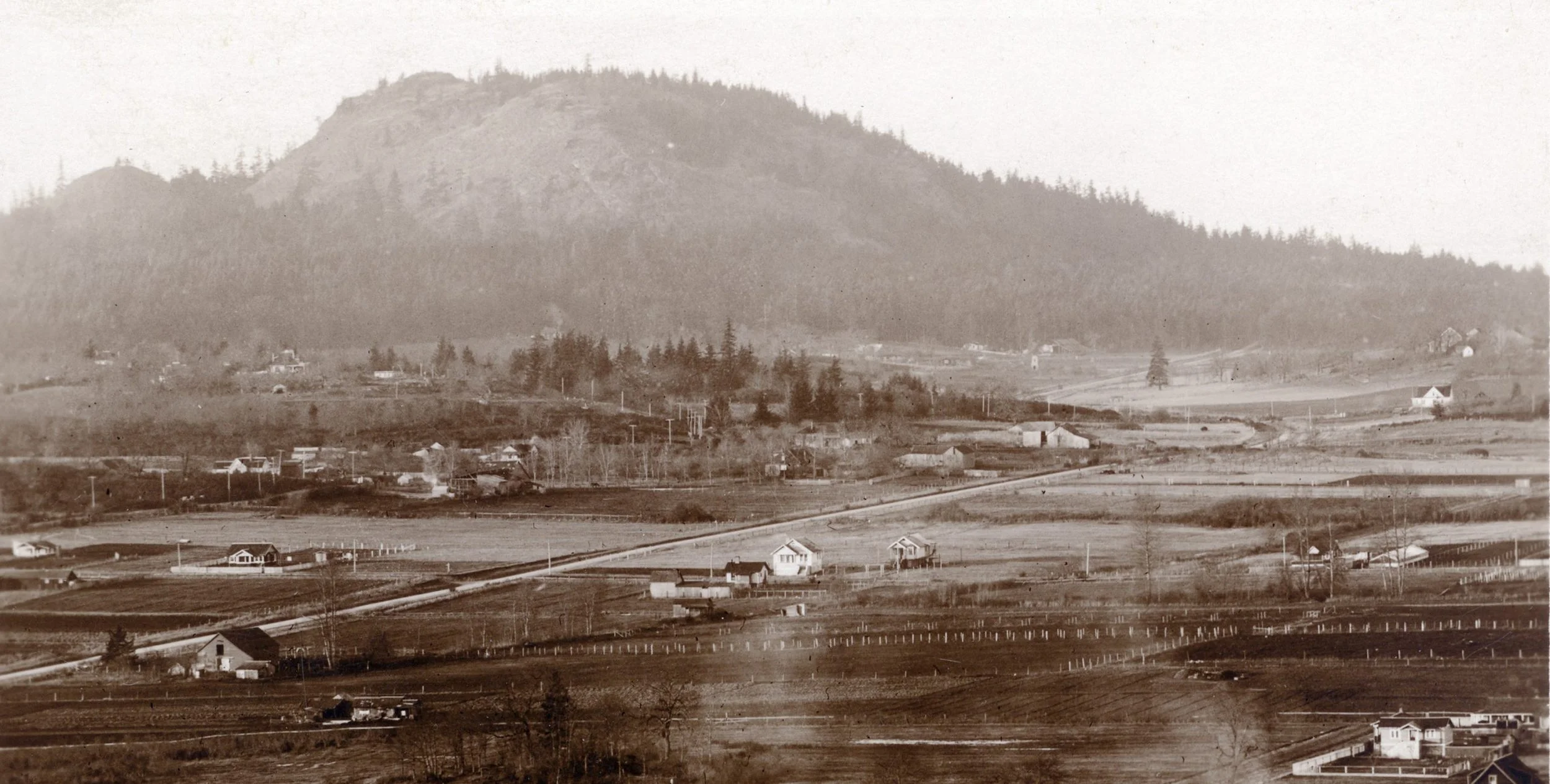
PKOLS as seen from Mount Tolmie ~ year 1880. Photo courtesy of Mount Douglas Conservancy
PKOLS (pronounced “p’cawls”) means “white rock” in SENĆOŦEN, the language of the W̱SÁNEĆ First Nations. Dominique shares, the mountain was created by XÁLS (The Creator) as he threw sacred stones in different directions to form the ŦIŦEȽ SṈÁNET of W̱SÁNEĆ, which translates to the highly respected rock who was once a person. The teachings of XÁLS have been essential to W̱SÁNEĆ people since creation and are the cornerstones of how they survived the great flood to become who they are today. Learn more about W̱SÁNEĆ creation story and the legend of ȽÁU, WELṈEW̱ here.
In hearing SNEMIŦIYE’s sharing her people’s history, I am humbled to learn about this place and the enduring relationships W̱SÁNEĆ people have with their lands, waters and ancestors.
One of the many injustices of Euro-centric education—the education that so many of us were brought up with—is that Indigenous ways of being are often misconstrued as “nomadic,” which intentionally implied that the lifestyles of Indigenous peoples were “careless” or “aimless” and couldn’t be further from the truth. As Dominique describes it, W̱SÁNEĆ people have been oriented to the land in a way that is close to life itself, aware of each season and what it offers. Intentional seasonal movement was to be close to the in-season foods and medicines and in areas that W̱SÁNEĆ and lək̓ʷəŋən ancestors have known to sustain life for generations. Dominique describes PKOLS as one of those sacred ancestors where local people gathered, knowledge and stories were shared, and life was sustained.
What an honour it is to be learning about these living histories and gathering again.
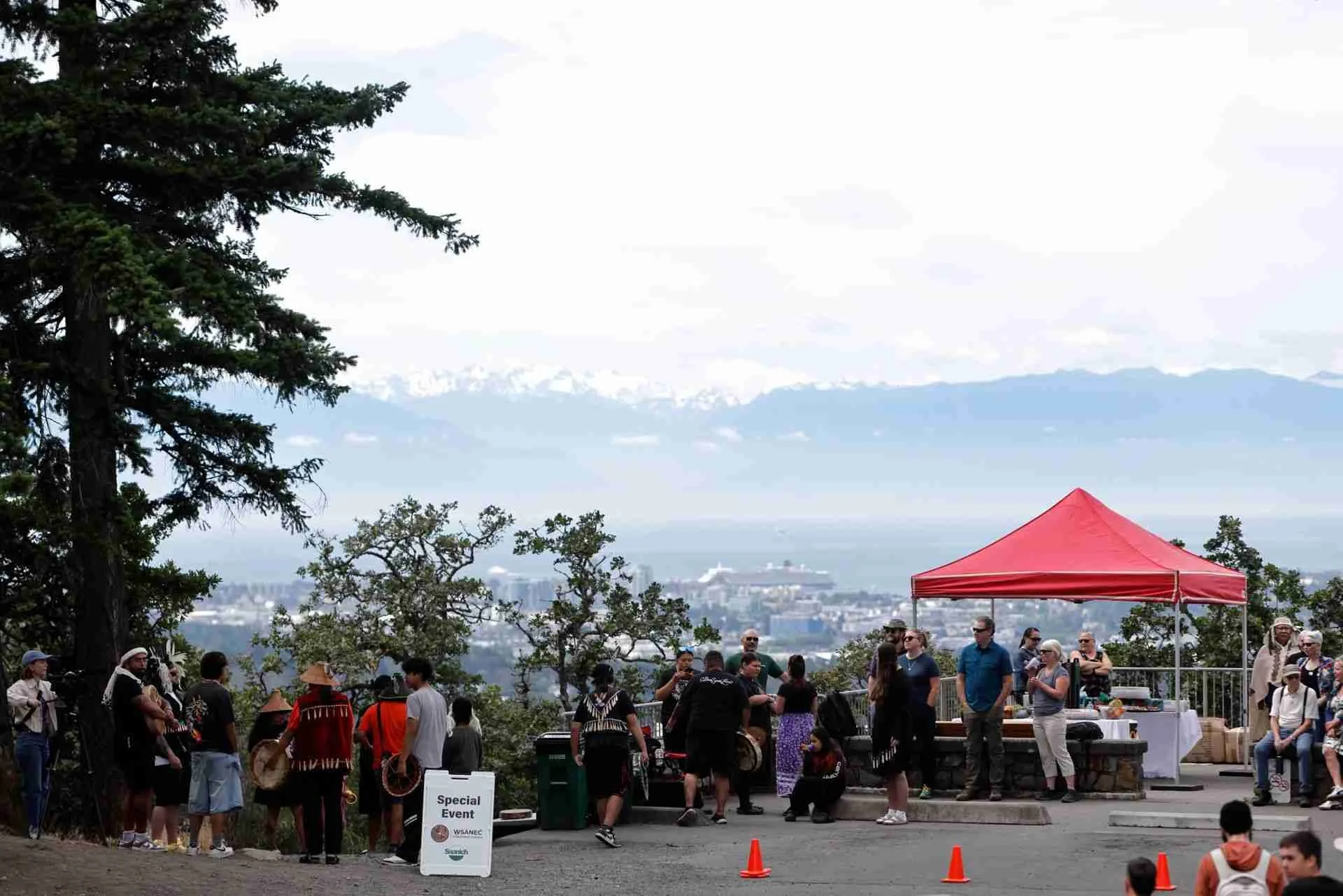
Ceremony at PKOLS, July 2nd, 2025. Photo by W̱SÁNEĆ Leadership Council
As the W̱SÁNEĆ Calendar of 13 Moons transitions from ĆENQOLEW̱ (the Dog Salmon Return to the Earth) into PEKELÁNEW̱ (the Moon That Turns the Leaves White), here are some lessons I'm sitting with, from what Dominique shared with us last week:
ELILE¸ (uh-lee-luh) Salmonberry | Digestion needs care too
Dominique shared that ELILE¸ is one of the edible plants that her ancestors would harvest in early spring. The fresh shoots of ELILE¸ were used to sweeten their dishes, especially after the long winters. Dominique shared that the salmonberry itself has a medicinal use for cleaning digestive systems. As we prepare for winter, I’m sitting with this W̱SÁNEĆ teaching, and am reminded that our digestive systems need intentional care too.
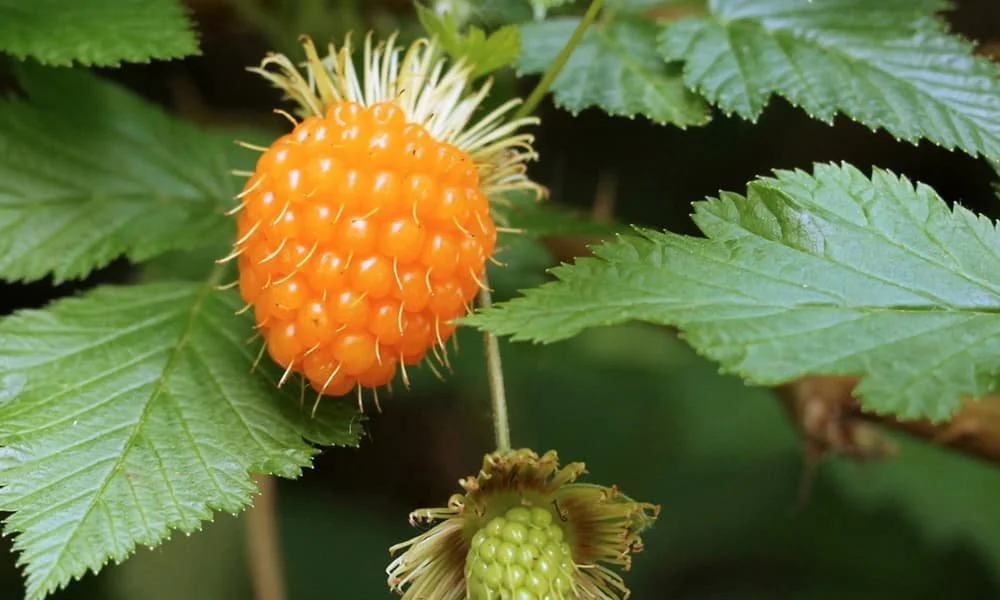
ELILE¸ (uh-lee-luh) Salmonberry (Rubus spectabilis). Photo by Environmental Youth Alliance
SENI¸IȽĆ (sun-ay-ith-L-ch) Oregon grape | Tending to roots is what brings nutrition and colour
I learned that the roots of Oregon grape have been used by W̱SÁNEĆ folks as a natural dye. The roots of SENI¸IȽĆ require nurturing to grow their natural vibrant yellow. As I hear SNEMIŦIYE share this, I’m reflecting on the rest that my body needs as we prepare for winter. I have great hopes of honouring the abundance of spring when it comes next, and so I must tend to my roots, too. Maybe I can smile with the same brightness as the roots of SENI¸IȽĆ.
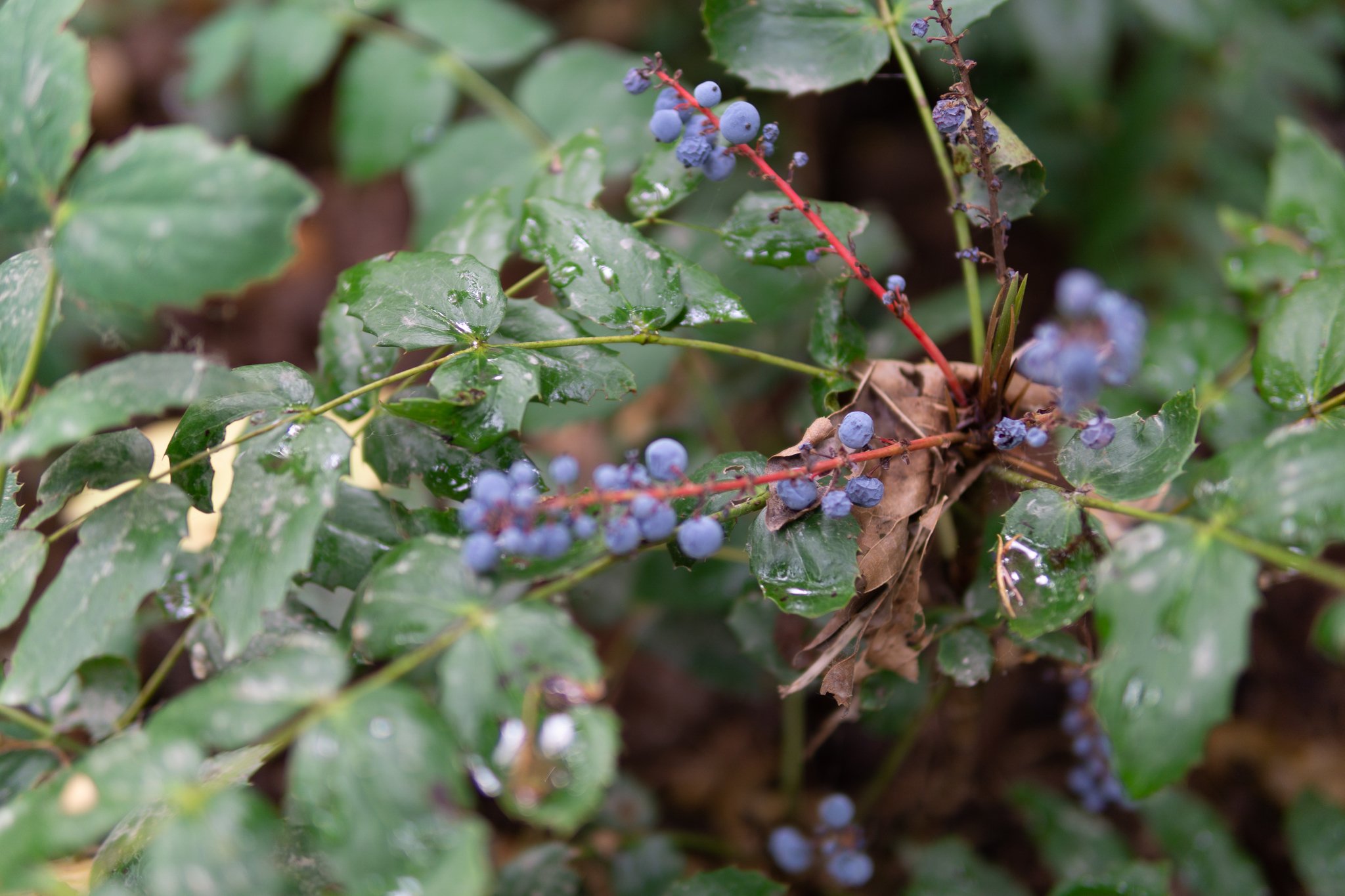
SENI¸IȽĆ (sun-ay-ith-L-ch) Dull Oregon grape (Mahonia nervosa). Photo by JacksonChu on INaturalist
SMONEĆ (smon-et-ch) Sap from JSȺ¸ (ch-sey) Douglas-fir | W̱SÁNEĆ people would collect sap to make fire possible
SNEMIŦIYE shared that W̱SÁNEĆ people would collect SMONEĆ from JSȺ¸ on the end of sticks, and with the help of some cattail fur they would make torches. This kind of intelligence is much deeper than I could imagine, and so I’m sitting with this W̱SÁNEĆ teaching. I’m learning again about the patience that is needed and the cultivation that is required from us to make fire and warmth for ourselves.
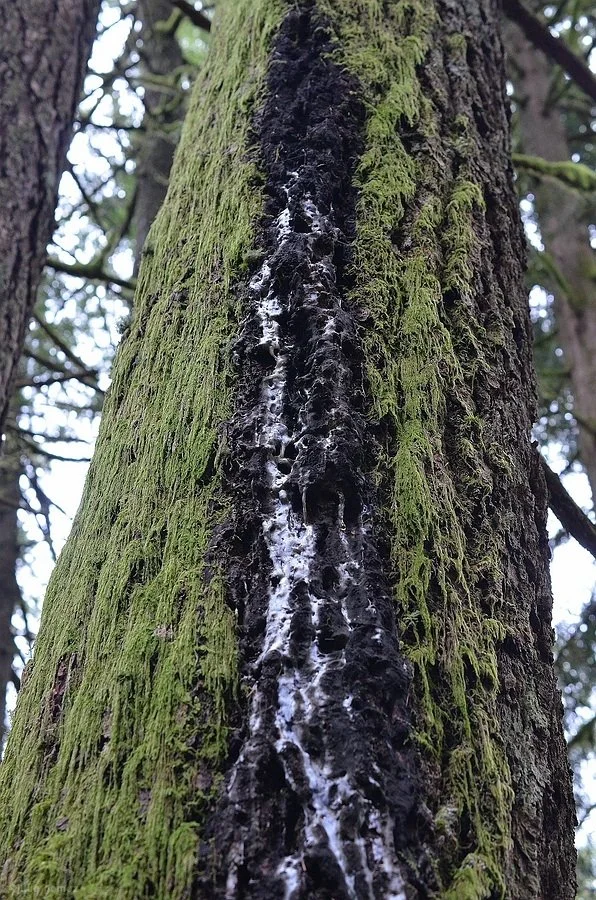
SMONEĆ (smon-et-ch) Sap from JSȺ¸ (ch-sey) Douglas-fir. Photo by Nature Chronicles.
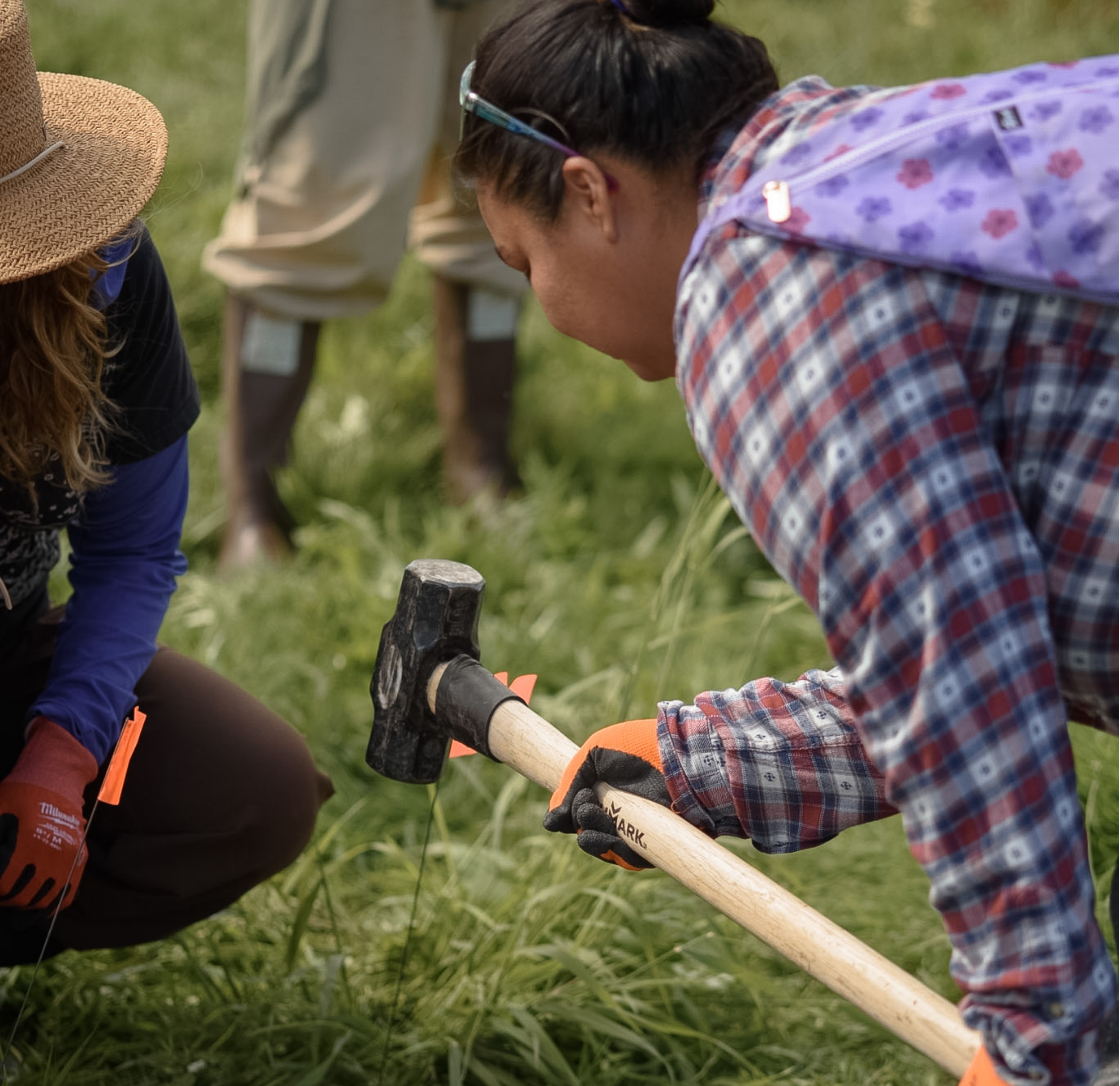
SNEMIŦIYE Dominique James at ȾIKEL. Photo by Jules Cundari.
SNEMIŦIYE’s knowledge of her ancestral homelands and the plants and medicines of W̱SÁNEĆ are a pleasure to hear her share. Since last week, I keep imagining this image of her stories igniting generations of W̱SÁNEĆ wisdom of this place. Her work in SENĆOŦEN Language Revitalization along with many other folks who I’ve had the honour of being in conversation with, like PEPAḴIYE Ashley Cooper and Sarah Jim, offer such generous insight into what these lands carry. By listening to knowledge holders, elders, and community leaders when given the opportunity, we learn how to care for the lands that they’ve been in enduring relationships with for thousands of years. And, if we listen closely enough, we may learn how to care for each other and ourselves better too.