
Restoration Efforts Protect Critical Habitats in the Matson Conservation Area: Press Release
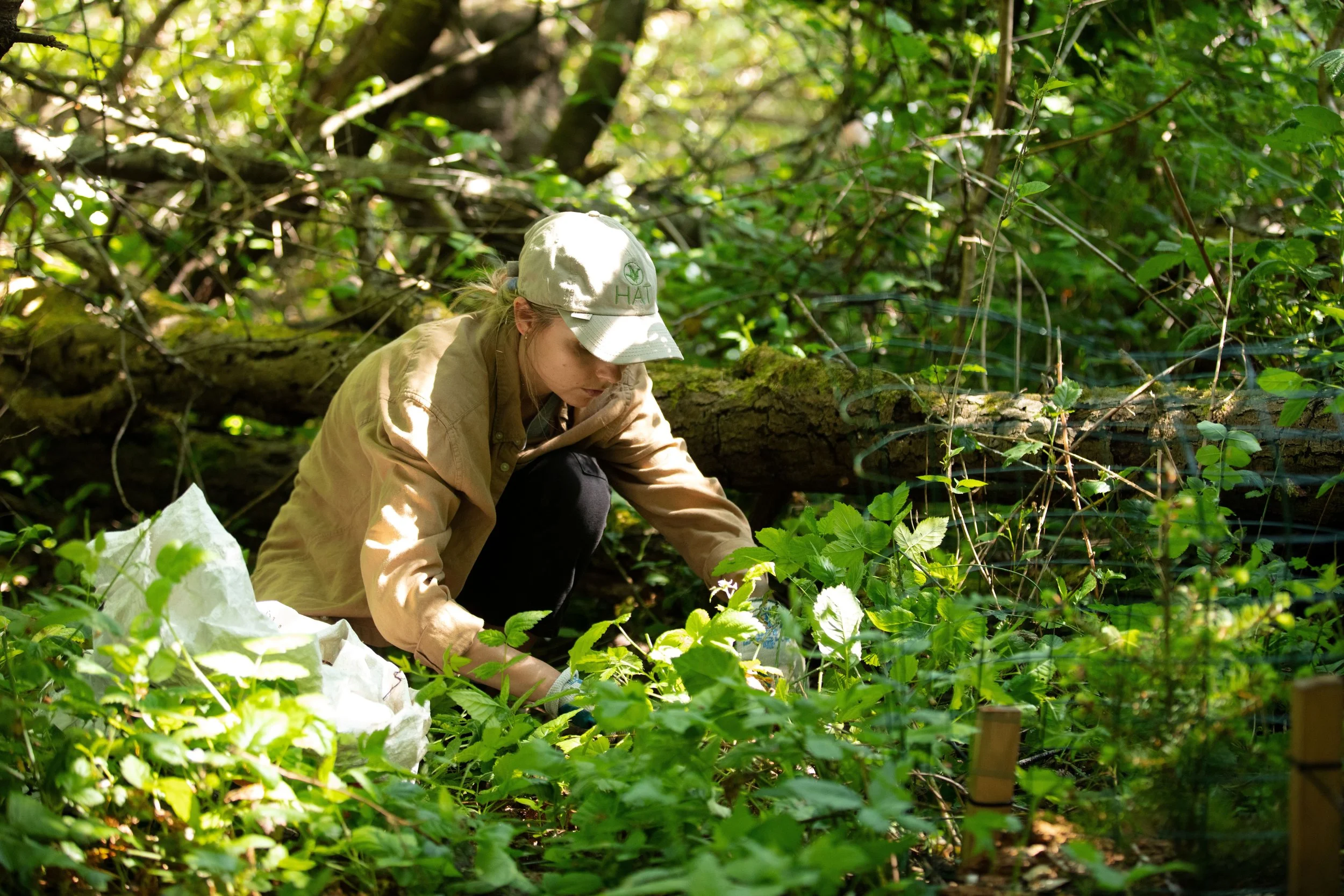
HAT staff work removing invasive species at Matson.
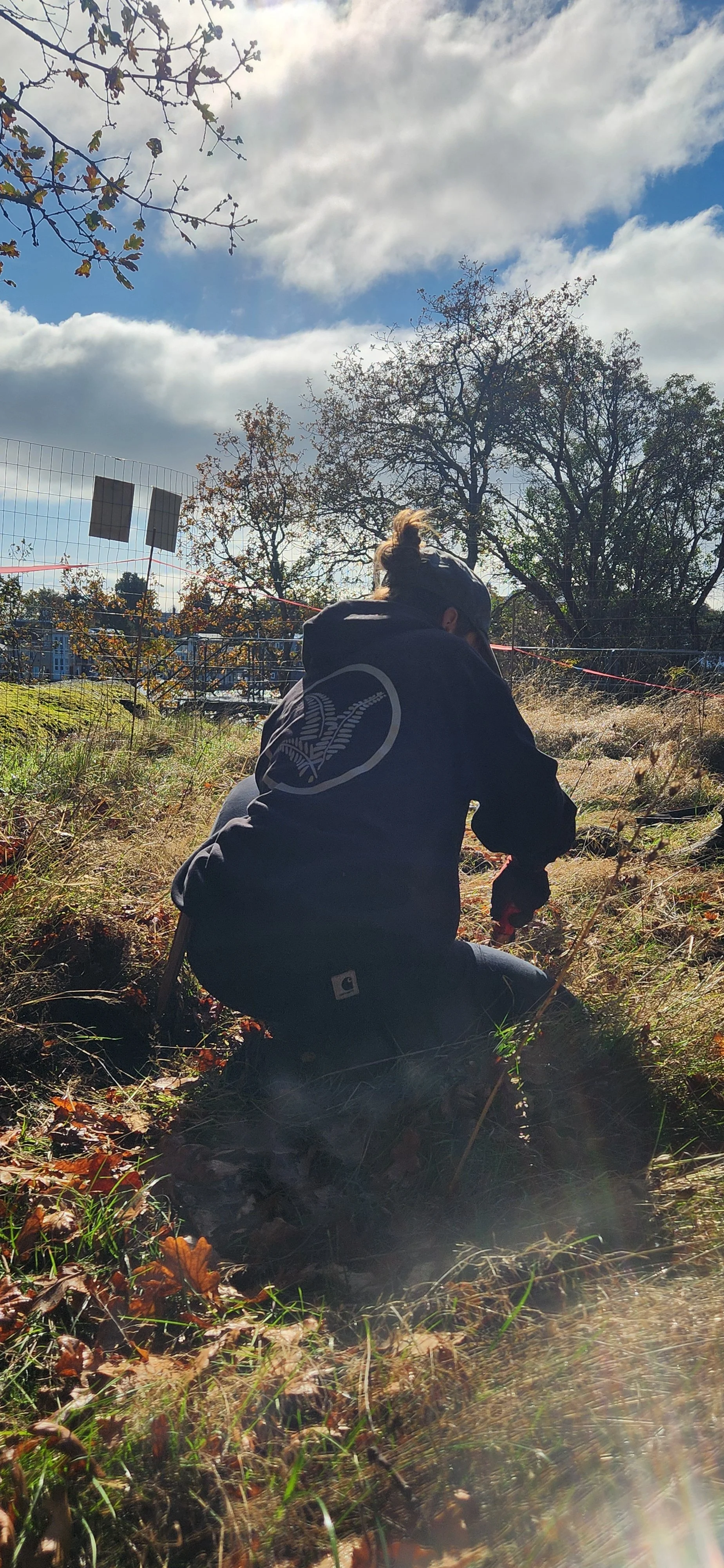
A rare urban prairie-oak (Garry oak) ecosystem in Esquimalt is being brought back to life through a multi-year effort led by Habitat Acquisition Trust (HAT), with support from the Habitat Conservation Trust Foundation.
The Matson Conservation Area, a one-hectare protected site overlooking West Bay and Victoria’s Inner Harbour, is a remnant of the once-extensive prairie-oak ecosystems that defined much of the region. Today, less than five percent of the original extent remains. The remaining prairie-oak areas are home to over 100 different birds, pollinators, mammals, and plants that are at risk of extinction.
HAT has been implementing restoration work at the site with funding from the Habitat Conservation Trust Foundation’s Land Stewardship Grant since 2020. The project focuses on reversing damage caused by invasive species, restoring habitat, engaging the community, and protecting sensitive areas from trampling and deer over-browsing. In 2025, HAT and volunteers spent over 600 hours restoring Matson.
Today, native plants are increasing, newly planted Garry oak seedlings are showing strong early survival, and restoration efforts are paying off. Through a recent renewal in funding from Habitat Conservation Trust Foundation until 2029, HAT’s efforts in the Matson Conservation Area will continue to focus on improving habitat for wildlife through invasive species control, establishing resilient native plant communities, building community relationships and support for the site, and evaluating long-term ecological outcomes.
“The restoration of Matson Conservation Area is a great example of what can be achieved by funding ecological restoration and supporting community involvement and collaborative stewardship,” says Vanessa Brownlee, Habitat Restoration Coordinator at HAT. “We are grateful to the Habitat Conservation Trust Foundation for making this work possible.”
This project has been made possible by the financial support of Habitat Conservation Trust Foundation.
How to Support This Work
Become a Local Habitat Partner for Matson: For organizations seeking meaningful environmental engagement, support the long-term stewardship of Matson Conservation Area with a Local Habitat Partnership. Visit hat.bc.ca/partnership to learn more.
Learn: Visit hat.bc.ca/oaks to learn more about these ecosystems. Attend HAT’s and the Compost Education Centre’s upcoming workshop on Prairie-oak (Garry Oak) Ecosystem Restoration at Matson: https://www.eventbrite.ca/e/free-garry-oak-ecosystem-restoration-tickets-1975013470456
Volunteer: Contact Vanessa at vanessa@hat.bc.ca to see how you can get involved.
Donate: Support ongoing stewardship, monitoring, and restoration efforts at hat.bc.ca/donate