
Matson Conservation Area
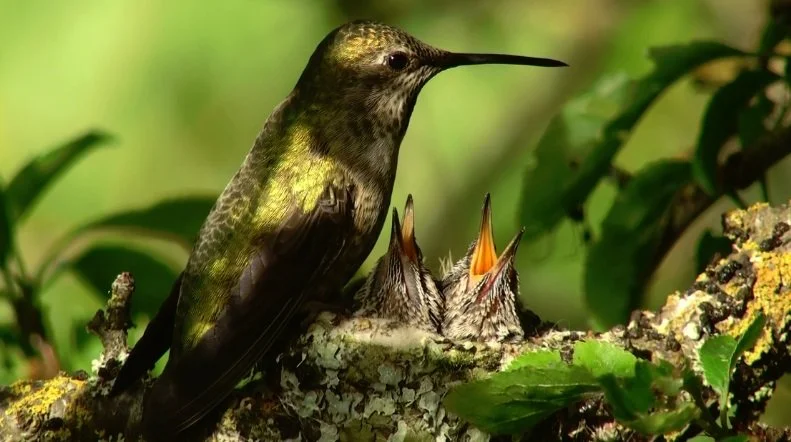
The Matson Conservation Area (MCA) contains at-risk Garry oak ecosystems, which are cultural keystone ecosystems for the lək̓ʷəŋən and other Coast Salish Nations. The MCA is the last section of intact Garry oak ecosystem along the Victoria Harbour front, located within the Victoria Harbour Migratory Bird Sanctuary (VHMBS). The VHMBS serves as a critical locale for birds migrating along the Pacific flyway, stretching from Mexico to Alaska. Lands such as the MCA provide critical habitat for birds to feed, rest, and breed along their journey, especially within urban environments, which have limited habitat options. Eric Pittman and Ryan Wilkes have documented hundreds of hours of hummingbirds at the MCA, much of which is featured in their award-winning documentary “The Bird in my Backyard,” which showcases how crucial this habitat is to these incredible tiny creatures.
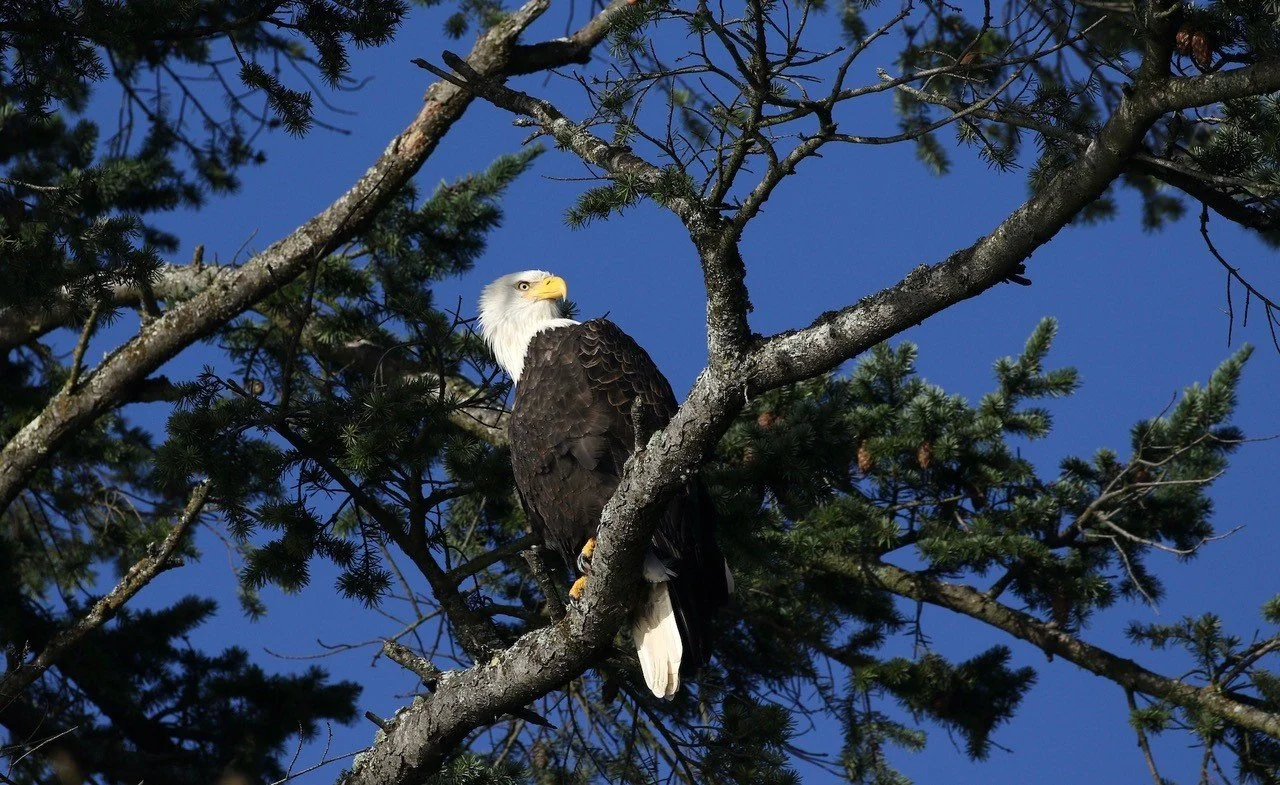
Migrating birds such as the rufous hummingbird, sparrows (golden-crowned, white-crowned, song, Lincoln’s, and fox), and purple martin (blue-listed) rely on this habitat. Year-round ecologically significant birds, including Anna’s hummingbirds, great blue herons, Northern flickers, bald eagles, owls, corvids, and gulls, also frequent the MCA. Additionally, a North American river otter den cohabitates with these bird species within the MCA.
Several rare and endangered plant communities live within the MCA, including Douglas-fir/Arbutus, Douglas-fir/Alaska onion grass, Garry oak/California brome, Garry oak/Arbutus, and Garry oak/Oceanspray—all of which are provincially listed as S1 or S2 (“imperilled” or “critically imperilled”). Garry oak ecosystems, like those found at MCA, host the highest number of species-at-risk of any ecosystem in the region. Nationally, less than 5% of intact Garry oak ecosystems remain, and they are at a high risk of extirpation. Culturally important species at this site include kwetlal/ḰȽO¸EL/qʷəɬáʔal (camas) and KEXMIN (bare-stem desert parsley). Geographically, this unique parcel of land provides a valuable ecological buffer and oasis of habitat within a fragmented urban landscape.
The current condition of the ecosystems ranges from intact kwetlal meadows habitat to degraded coastal Douglas-fir forest. The site once housed a large residence with extensive European gardens, leading to our current challenge with invasive species, including Scotch broom, English ivy, English hawthorn, English holly, Himalayan blackberry, Daphne laurel, periwinkle, and several non-native grasses, including highly invasive orchard grass and sweet vernal grass.
Critically, MCA holds a great cultural significance, containing two shell middens confirming extensive land use by First Nations. With less than 5% of traditional lək̓ʷəŋən food systems left intact in lək̓ʷəŋən territory, the importance of this site as an eco-cultural nexus cannot be overstated. The importance of MCA for building care-based relationships between conservation organizations and Indigenous people also makes this site one of particular value and importance in this geography.
The MCA is zoned as conservation lands, with HAT as the fee-simple landowner. A section 219 conservation covenant co-held by the Nature Conservancy of Canada and the Township of Esquimalt is also in place. These classifications ensure that stewardship efforts in the MCA will be safeguarded in perpetuity.
-
Garry oak meadows and woodlands.
-
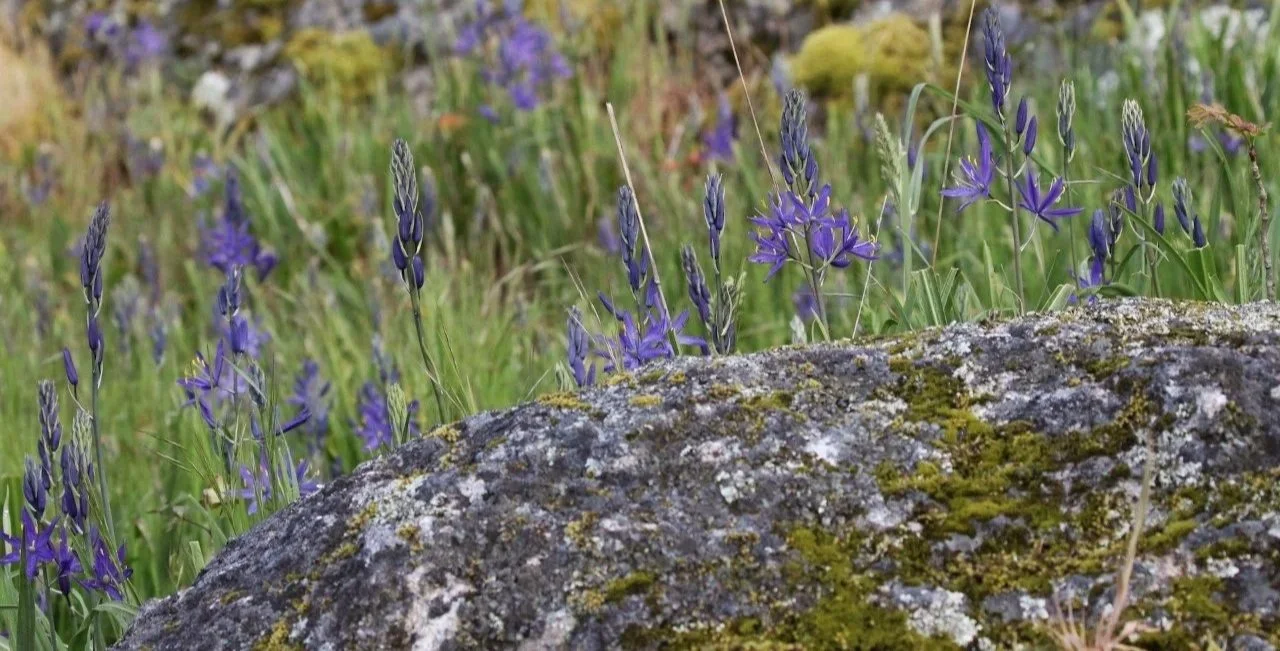
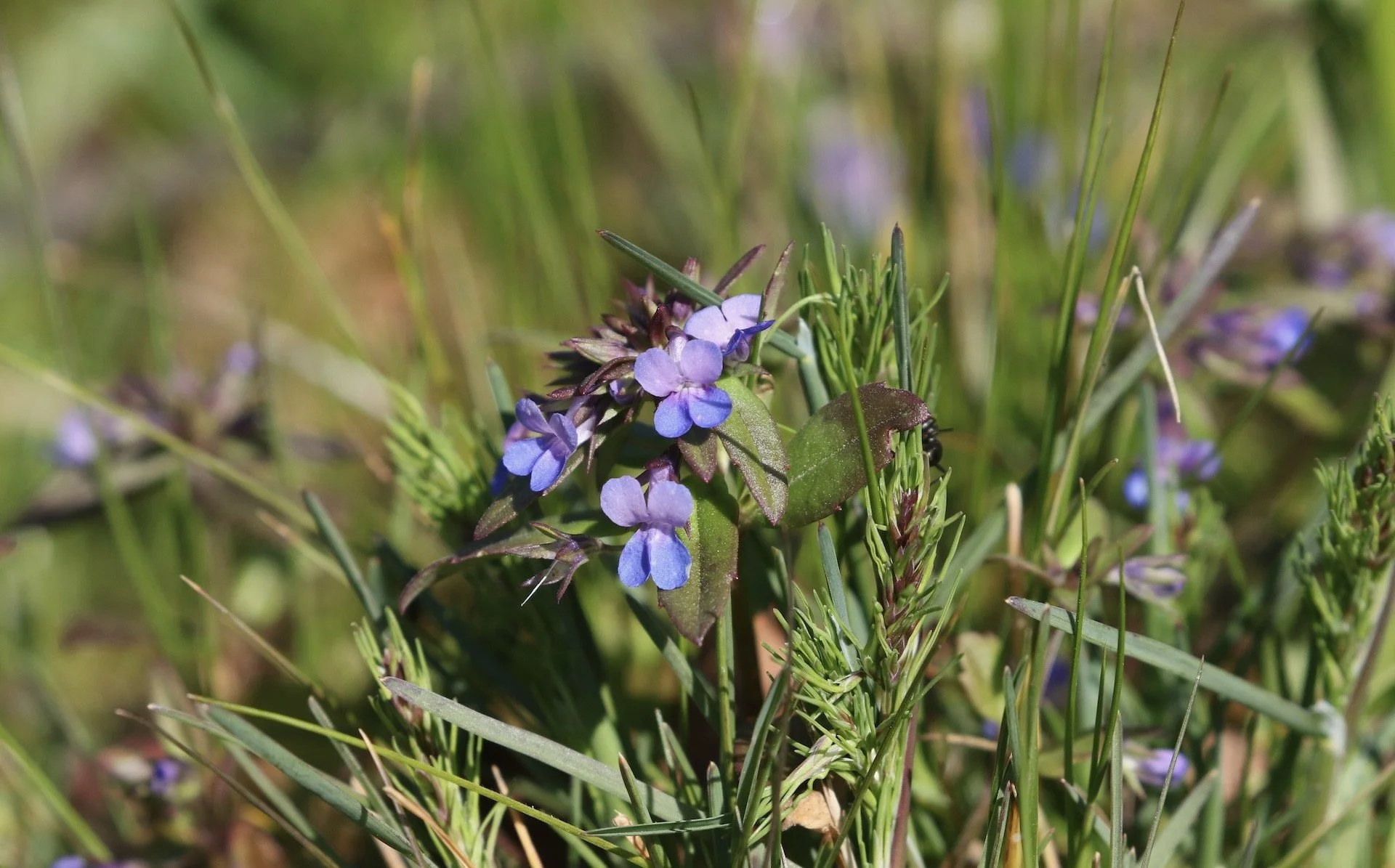
Kwetlal/ḰȽO¸EL/qʷəɬáʔal & SPÁNW/speenhw(Camas/Camassia species): A culturally significant species, camas bulbs are root vegetables that form the foundation of Kwetlal food systems (Garry oak ecosystems). Their beautiful purple and blue flowers can be observed in the spring in open meadow areas within MCA, especially where deer fencing has been installed to protect young blooms from deer browsing.
KEXMIN/Bare-stem desert parsley (Lomatium nudicaule): A culturally significant species, also called “consumption plant,” that is being encouraged at this site.
North American river otter (Lontra canadensis): The proximity of the MCA to the shoreline allows it to provide habitat for some semi-aquatic species like the North American river otter.
Purple Martin (Progne subis): These migratory birds are blue-listed (Special Concern) in BC. Their population is considered precarious because of a lack of naturally occurring suitable nesting habitat, making them almost entirely dependent on manmade nest boxes. You can find purple martin nest boxes dotted along the VHMBS and near the MCA.
Rufous hummingbird (Selasphorus rufus): An incredibly diverse bird population can be observed at MCA, including the migratory rufous hummingbird. This tiny bird nests in trees, shrubs, or vines, about 1-15 metres above the ground.
-
Invasive species spread is an ongoing challenge at this site, particularly hanging sedge, Himalayan blackberry, English ivy, Scotch broom, orchard grass, bull thistle, and invasive bulbs like grape hyacinth and Spanish bluebells. Wildfire risk from invasive species biomass accumulation is also a concern.
Future management efforts at this site will focus on restoring ecological integrity by increasing native plant diversity and reducing the homogenizing impacts of invasive non-native species. Without human intervention, encroachment by invasive shrubs, non-native grasses, and conifers remains a threat. Working with the lək̓ʷəŋən-speaking peoples on this management, as invited and as capacity allows, will continue to be integral to supporting the eco-cultural health of this site.
Your Investment:
$16,734.32
What You’re Supporting:
You are investing in the restoration of a 0.98-hectare conservation area of some of the last intact endangered Garry oak meadows and woodlands in Victoria Harbour. This park provides critical habitats for threatened species, particularly migratory birds that rely heavily on this urban refuge for survival. Your investment pays for:
Over 210 hours of targeted invasive species removal and native species planting
A free and accessible community restoration event
Ecological monitoring, data collection, and mapping
Tools, equipment, event supplies, plants, and seeds
Travel to and from the site
Coordination, logistics, and operational capacity
What You Receive:
As a Local Habitat Partner, you receive:
A communications package with social media graphics and copy promoting our partnership, and a Local Habitat Partner badge to proudly display on your website or at your place of business
Opportunities for staff to attend a community event and participate in restoration work
Recognition and branding through logo placement online and at the community event, public acknowledgement as a partner, acknowledgement in HAT’s Annual Report, and association with meaningful local environmental outcomes
Impact reporting from the field that shows the real results of your support, including the area restored and the amount of invasive species removed, reports highlighting progress, and before and after site photos
A charitable tax receipt
Other Supporters of Matson Conservation Area