
Oak Haven Park (SṈIDȻEȽ ŦIŦEȽ SṈÁNET)
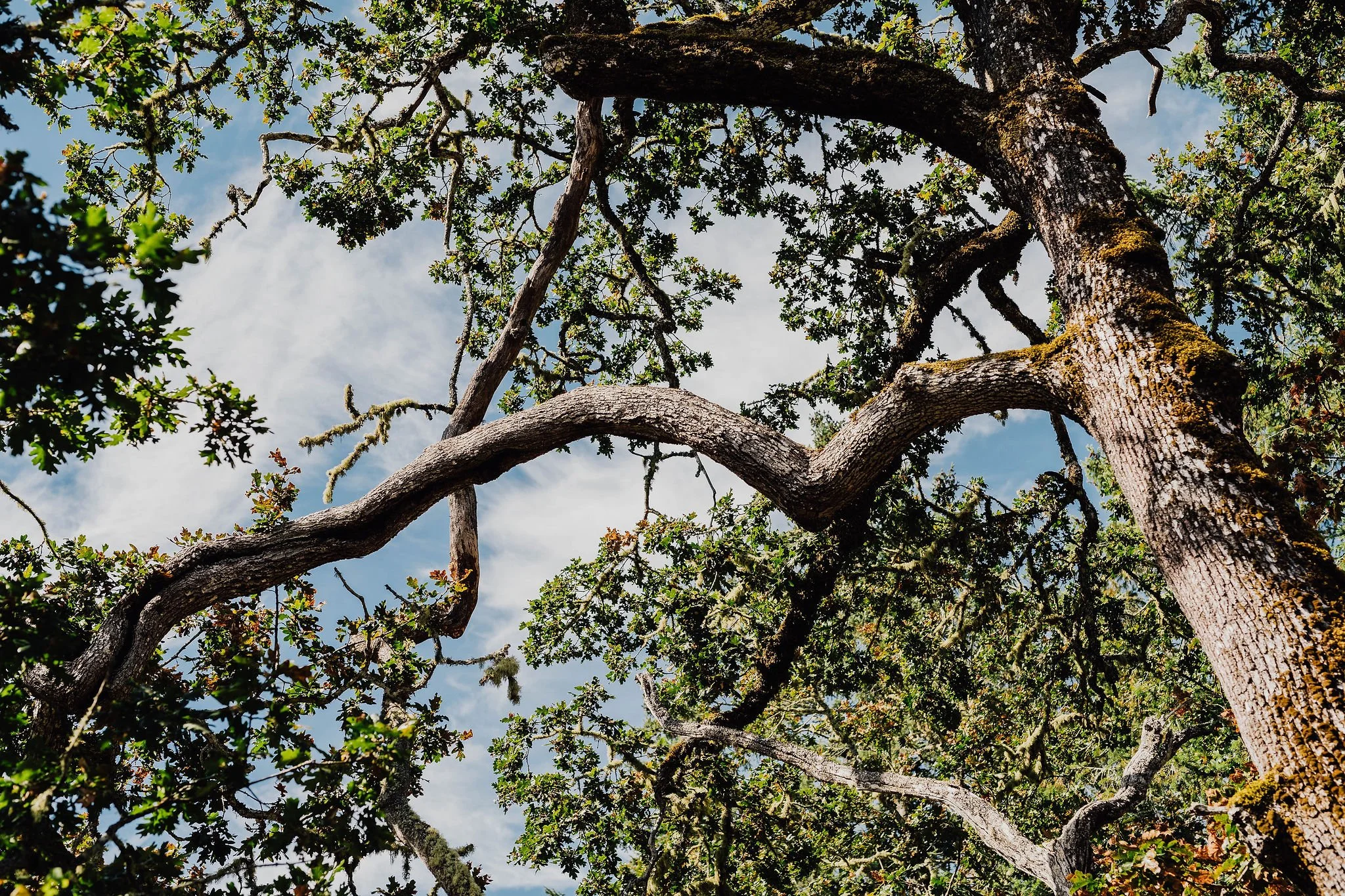
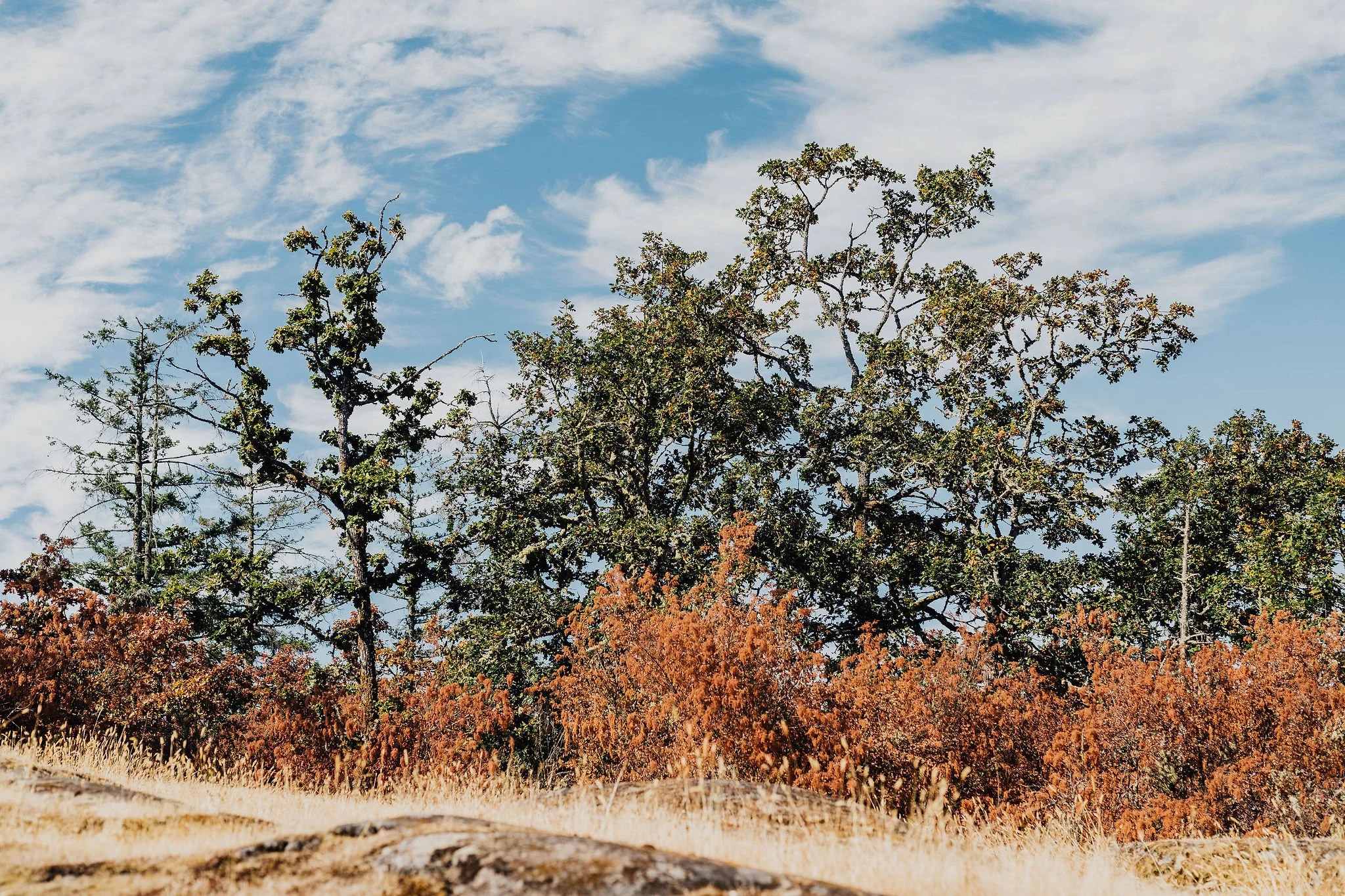
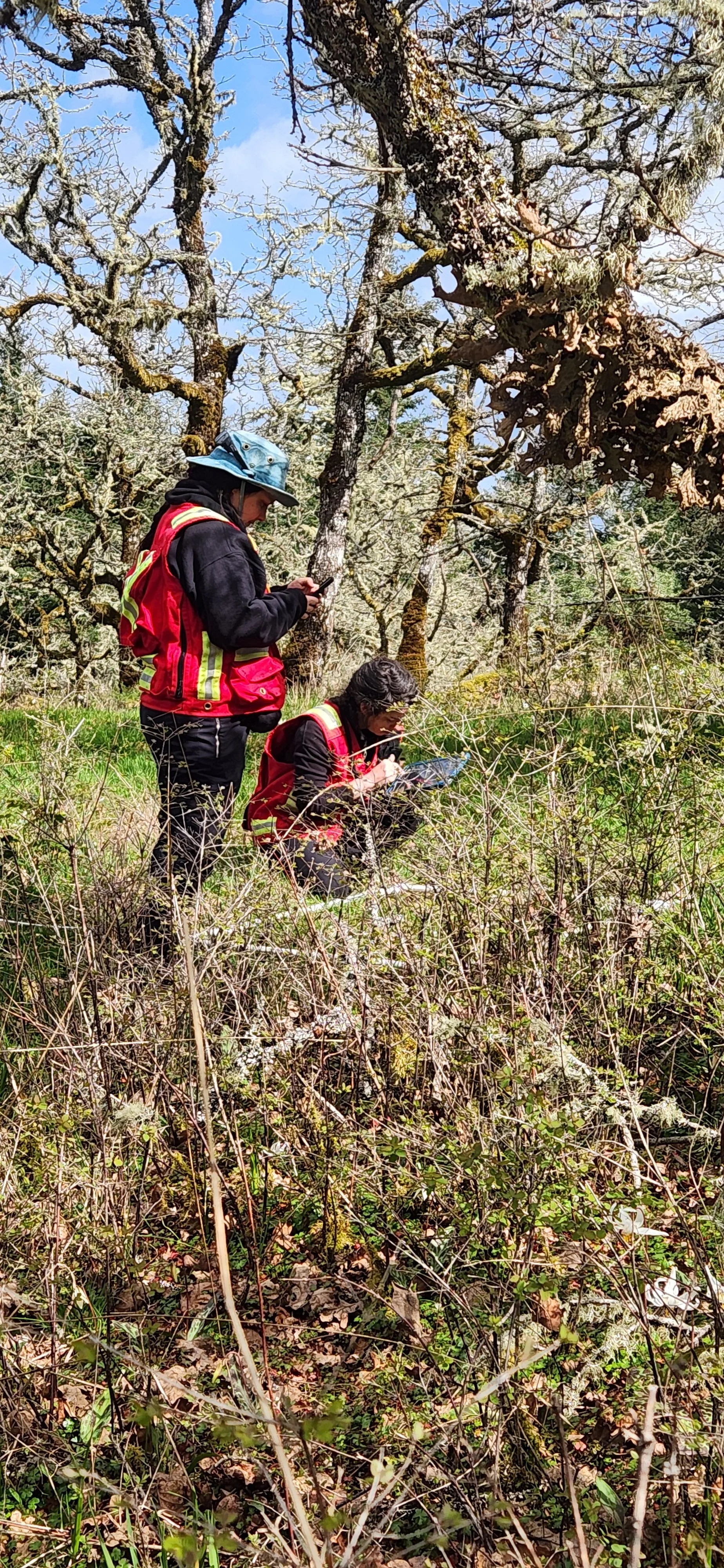
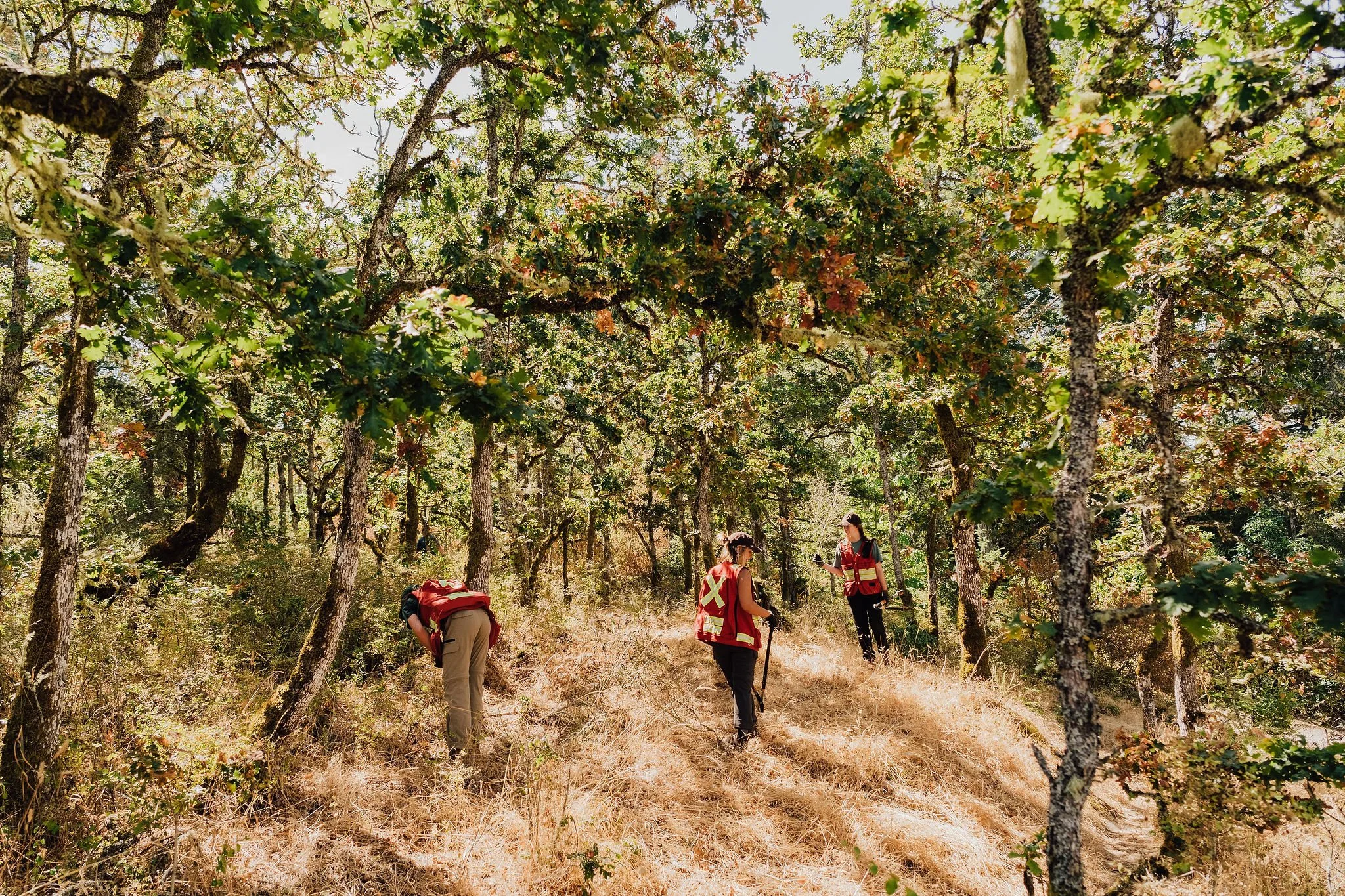
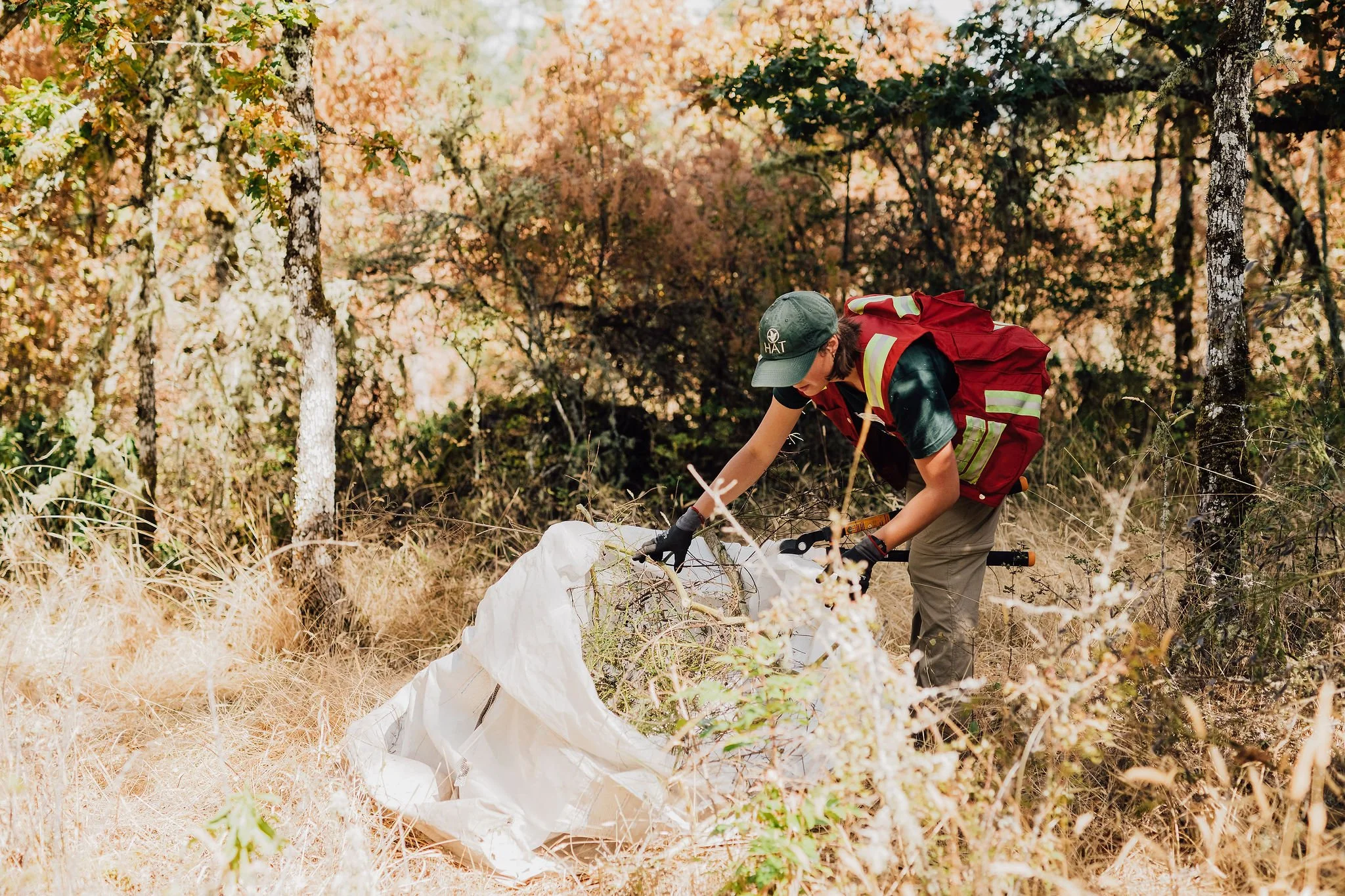
Oak Haven Park (SṈIDȻEȽ ŦIŦEȽ SṈÁNET) is a 10.2-hectare public park in Central Saanich that protects a remnant Garry oak meadow and woodland complex, ecosystems of exceptional ecological and cultural importance. Garry oak ecosystems are amongst the most endangered ecosystems in Canada, with less than 5% of intact ecosystems remaining and home to over 100 species at risk. The open meadows and rocky bluffs host a diverse assemblage of native grasses and wildflowers, including a rare population of slimleaf onion, camas, shooting stars, and woolly sunflower, which provide essential habitat for native pollinators such as the endangered western bumblebee observed at this park. These ecosystems support high biodiversity with 102 bird species observed, and several species at risk, including barn swallows and olive-sided flycatchers. Oak Haven Park also functions as a key habitat within the broader regional network of conservation areas, supporting connectivity for wildlife that depend on these increasingly isolated habitats in an urbanized environment.
Oak Haven faces several ongoing ecological pressures, including invasive plant encroachment (particularly from Scotch broom and shiny geranium), habitat fragmentation, impacts from nearby developments, and the effects of climate change, such as drought and altered precipitation patterns. HAT’s stewardship efforts focus on controlling invasive species, restoring native plant communities, and improving ecosystem resilience through targeted habitat enhancement.
Oak Haven provides critical wildlife habitat and ecosystem services in its region, as well as opportunities for community connection to nature and culturally grounded stewardship. The park is owned by the District of Central Saanich and protected under both conservation land zoning and a Section 219 conservation covenant, co-held by Habitat Acquisition Trust and The Land Conservancy of BC. This classification ensures stewardship and protection efforts in the park will be safeguarded in perpetuity.
-
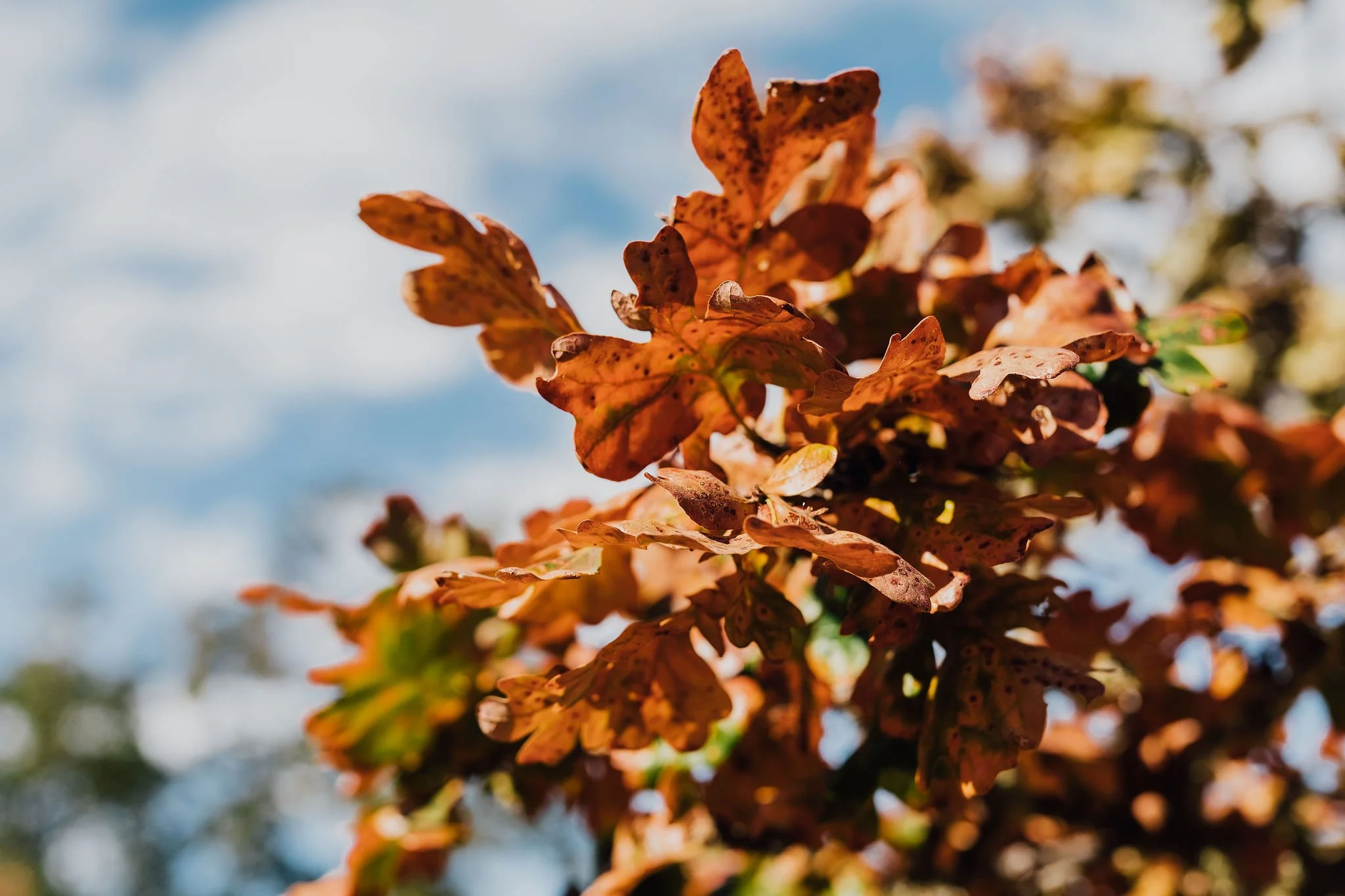
Garry oak meadows and woodlands.
-
Slimleaf onion (Allium amplectens): Provincially blue-listed, found in vernally moist rocky bluffs and ledges within oak meadow habitats, and prefers minimal tree and shrub cover. A small population exists at this site and is monitored by HAT.
Kwetlal/ḰȽO¸EL/qʷəɬáʔal & SPÁNW/speenhw(Camas/Camassia species): A culturally significant species, camas bulbs are root vegetables that form the foundation of Kwetlal food sytsems (Garry oak ecosystems). Their beautiful purple and blue flowers can be spotted in the spring in open-meadow areas.
Butterflies & other Lepidoptera: Butterfly populations have been monitored at this site in recent years, showing the presence of Lorquin’s admiral (Limentis lorquini), western tiger swallowtail (Papilio rutulus), and the woodland skipper (Ochlodes sylvanoides). Surveys also revealed the presence of the day-flying western sheep moth (Hemileuca eglanterina).
Barn Swallow (Hirundo rustica): Listed as a Schedule 1 “Threatened” species under the Federal Species at Risk Act. Its back is a striking blue, with a deep red throat and cinnamon-coloured breast. This bird can be spotted feeding on insects in the park.
Western bumblebee (Bombus occidentalis occidentalis): Listed as a Schedule 1 species of “Special Concern” under the Federal Species at Risk Act. Once among the most prevalent bees in the region, the western bumblebee has since experienced a decline of more than 30% in recent years and has been extirpated from areas it was once abundant. This ground-nesting bee faces threats from habitat loss and invasive species. Invasive plants that take over native grasslands will out-compete the native nectar and pollen plants these bees rely on. As the western bumblebee has been recorded at Oak Haven Park, restoration efforts will focus on invasive species management that encourages suitable nesting habitat and floral resources for this species.
Olive-sided flycatcher (Contopus cooperi): Listed as aSchedule 1 species of “Special Concern” under the Federal Species at Risk Act. This species faces threats from the loss of nesting habitat quality and a decline in insect populations.
Common nighthawk (Chordeiles minor): Listed as aSchedule 1 species of “Special Concern” under the Federal Species at Risk Act, and blue-listed in BC. Habitat fragmentation and a decline in insect populations are a few of the threats this species faces. Elusive and most likely spotted at dawn or dusk, the common nighthawk has been observed at SṈIDȻEȽ ŦIŦEȽ SṈÁNET.
-
Invasive species spread, particularly shiny geranium, scotch broom, daphne laurel, Himalayan blackberry, carpet burweed, and bur chervil, pose ongoing challenges at this site. Wildfire risk from invasive species biomass accumulation and species with high volatile oils (Scotch broom) is also a concern.
Future restoration work at SṈIDȻEȽ ŦIŦEȽ SṈÁNET will focus on invasive species management to support the overall health of the park’s ecosystems. This work will include efforts to encourage host plants like blue wildrye, California brome, and other native forage wildflowers that can provide key resources for butterfly populations. Invasive species removal will also target areas around rare species like slimleaf onion and other open-meadow habitats that are identified as potentially suitable habitat for other species at risk. HAT will be conducting ongoing monitoring to test methods of invasive species management and record the species composition of the park over time.
Your Investment:
$27,114.01
What You’re Supporting:
You are investing in the restoration of a 10.2-hectare park of endangered Garry oak meadows and woodlands. This park provides critical habitats for endangered species like the western bumblebee, which has suffered a dramatic population decline in recent years due to habitat loss and degradation. Your investment pays for:
Over 390 hours of targeted invasive species removal and native species planting
One free and accessible community restoration event
Ecological monitoring, data collection, and mapping
Tools, equipment, event supplies, plants, and seeds
Travel to and from the site
Coordination, logistics, and operational capacity
What You Receive:
As a Local Habitat Partner, you receive:
A communications package with social media graphics and copy promoting our partnership, and a Local Habitat Partner badge to proudly display on your website or at your place of business
An opportunity for staff to attend a community event and participate in restoration work
Recognition and branding through logo placement online and at the community event, public acknowledgement as a partner, acknowledgement in HAT’s Annual Report, and association with meaningful local environmental outcomes
Impact reporting from the field that shows the real results of your support, including the area restored and the amount of invasive species removed, reports highlighting progress, and before and after site photos
A charitable tax receipt
Other Supporters of Oak Haven Park