
Sooke Wildlands
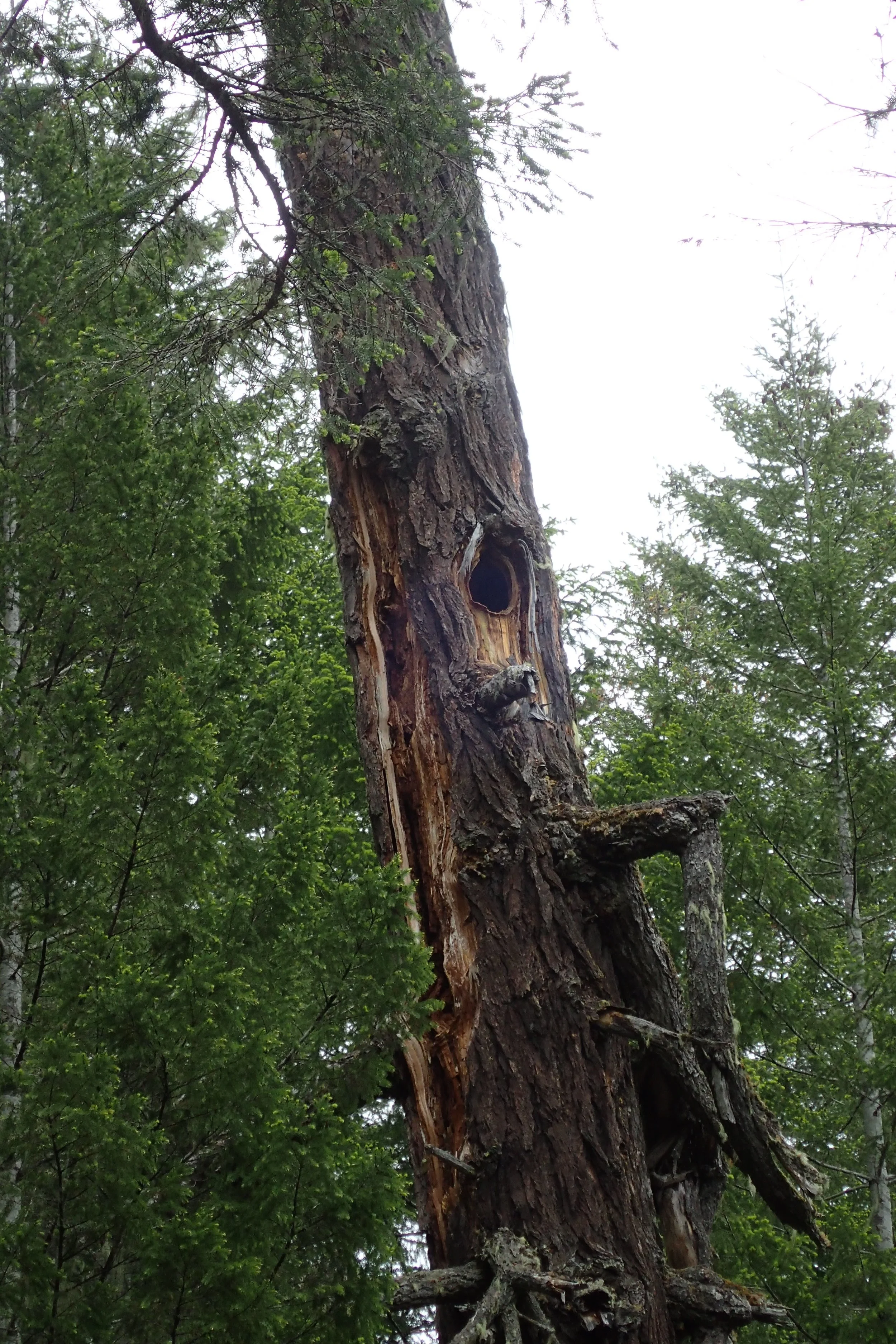
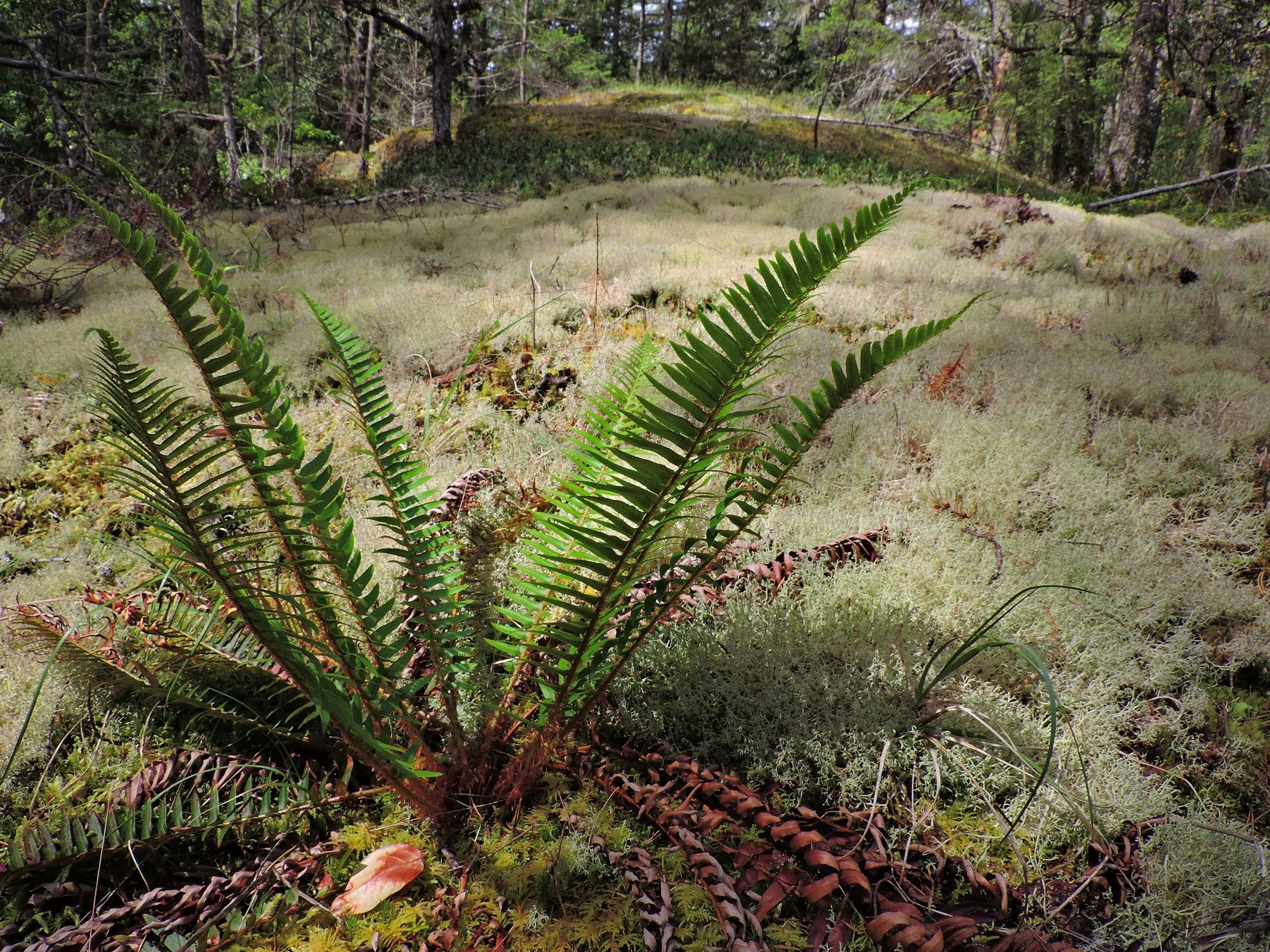
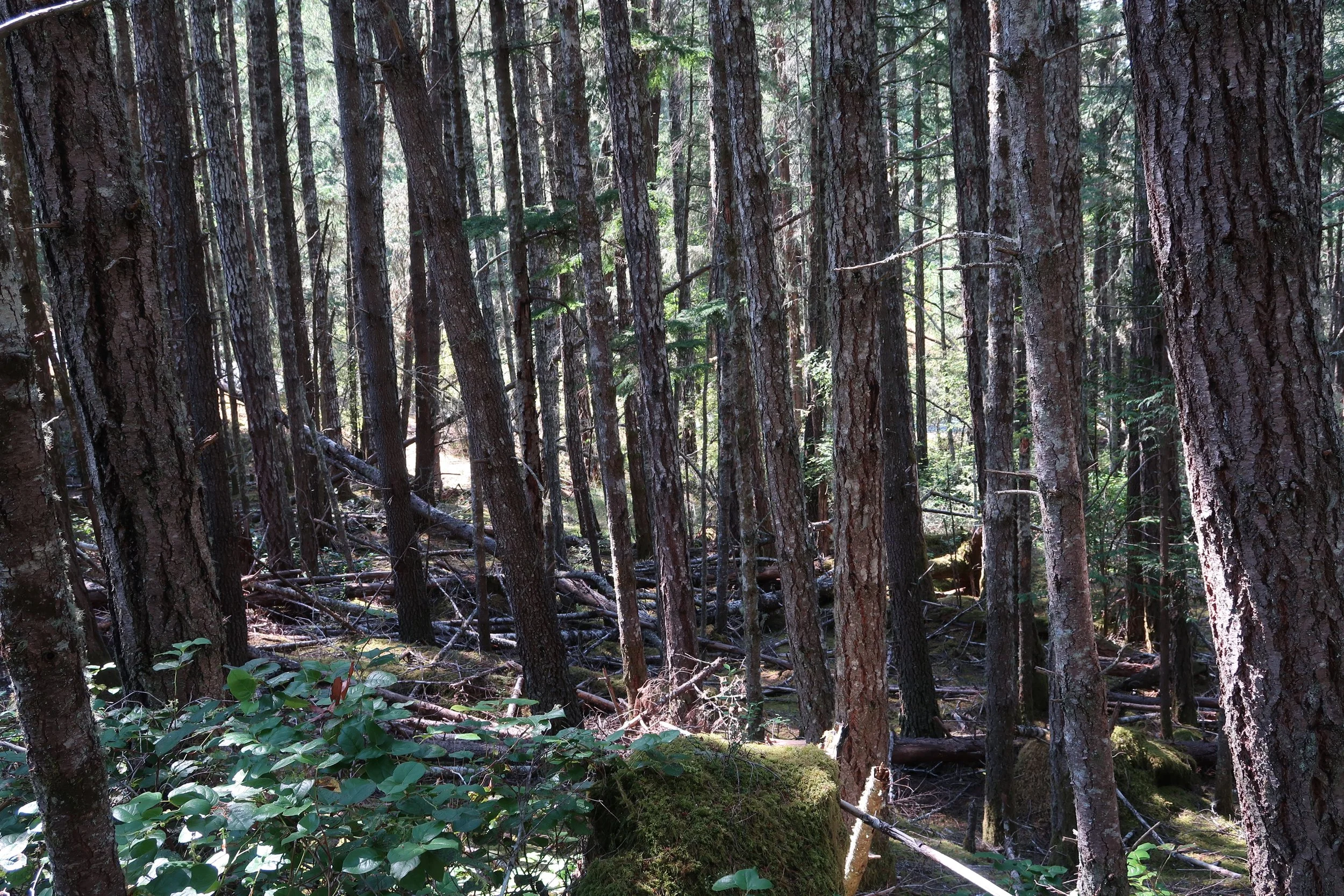
The Sooke Wildlands are a collection of 27.05 hectares of privately owned restoration sites located throughout the mountainous forests of Sooke. Bridging the gap between the Coastal Douglas-fir and Coastal Mountain Hemlock biogeoclimatic zones, these sites are ecologically unique and support an array of diverse habitats. Older second-growth forests dominate the steep slopes of these mountains, containing an abundance of downed logs and wildlife trees that provide critical habitat for countless birds, mammals, plants, and insects. As these forests age, their biodiversity will continue to increase as more trees decompose and provide critical wildlife resources.
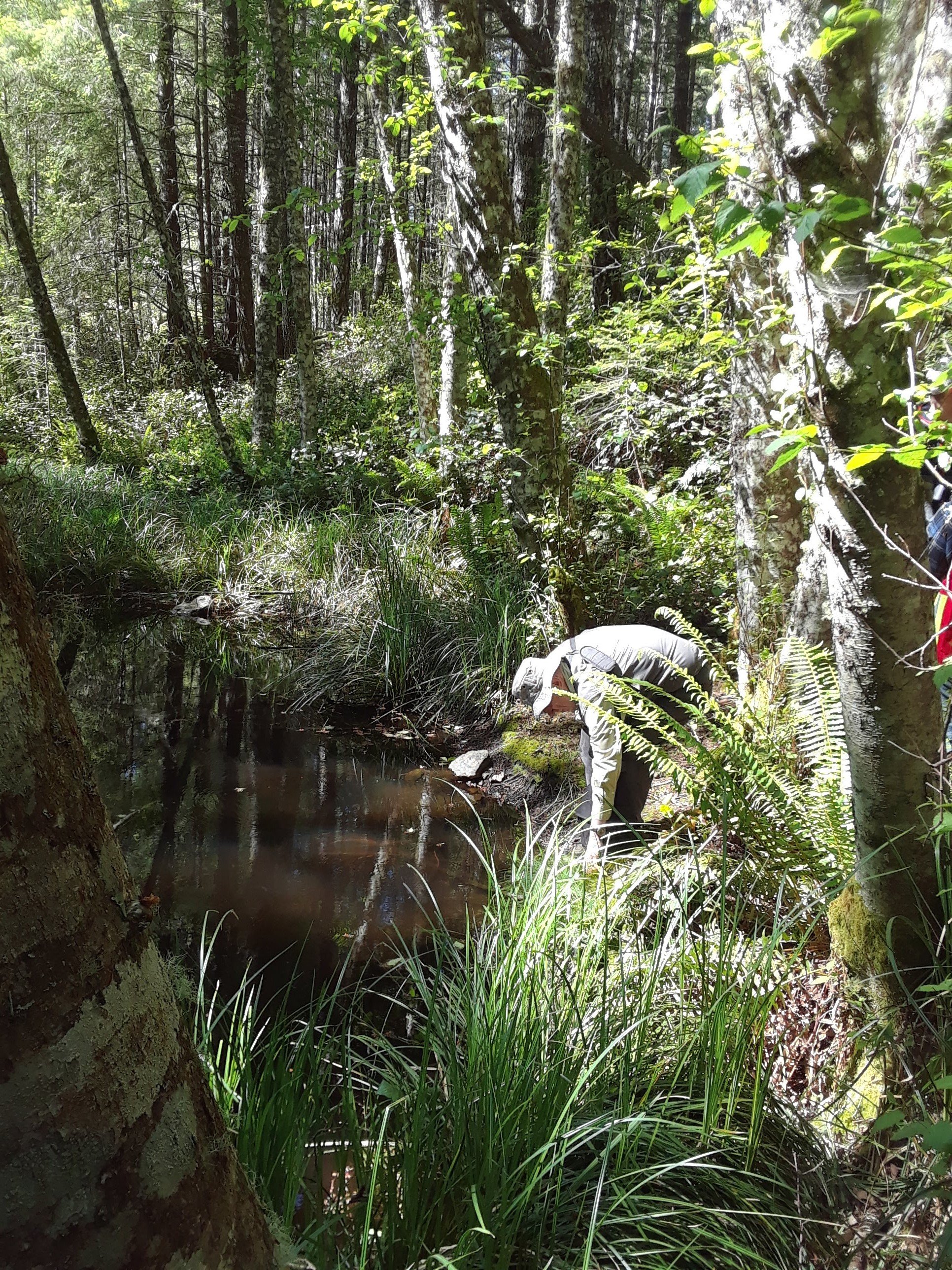
Breaks in the forested canopy give way to rocky outcrops, shallow soils, and wildflower meadows. This unique terrain creates pockets of highly sensitive micro-habitats including hummocks, hollows, and vernal pools. Some stable aquatic habitat exists on these sites as well, providing critical resources for breeding insects and amphibians.
Within the broader Sooke District, these sites are key to habitat connectivity with surrounding parks and protected areas within the Sea-to-Sea Green Belt. Many large mammals, including bears and cougars, are reliant on this habitat connectivity for migration, breeding, and feeding.
These selected sites are Section 219 conservation covenants held by Habitat Acquisition Trust and co-held by The Land Conservancy of BC and the Capital Regional District. This classification ensures that the land will be protected and stewarded in perpetuity, ensuring restoration benefits will be retained.
-
Mature and second-growth coastal Douglas-fir forests, wetlands, and meadows.
-
Rough-skinned newt (Taricha granulosa): Stable aquatic habitat, surrounded by Douglas-fir forest, provides ideal habitat for a population of rough-skinned newts in the Sooke Wildlands.
Northern red-legged frog (Rana aurora): A blue-listed (Special Concern) species in BC. This frog requires standing water or streams, deciduous forest that provides canopy cover, and structural complexity including elements like coarse woody debris. Restoration work at these sites will be carried out in a way that supports these desired conditions.
Band-tailed pigeon (Columba fasciata): Listed as a Schedule 1 species of “Special Concern” under the Federal Species at Risk Act, and blue-listed (Special Concern) in BC. Mature Douglas-fir forests are considered an ideal breeding site for this species.
Olive-sided flycatcher (Contopus cooperi): Listed as a Schedule 1 species of “Special Concern” under the Federal Species at Risk Act. This species faces threats from the loss of nesting habitat quality and a decline in insect populations.
Large mammals: Black bears, cougar, and elk have been recorded using these sites as movement corridors.
-
Invasive species, particularly Scotch broom, tansy ragwort, fox glove, and thistle, pose ongoing threats. Stewardship work in the Sooke Wildlands will focus on invasive species management and habitat restoration to support the range of unique wildlife species that rely on these lands.
Your Investment:
$15,113.33
What You’re Supporting:
You are investing in the restoration of a 27.05 hectares of lush and biodiverse forests. Dotted with riparian and aquatic habitats, these lands provide critical homes to newts, frogs, and birds, as well as large mammals like cougars and black bears. Your investment pays for:
Over 180 hours of targeted invasive species removal and native species planting
Ecological monitoring, data collection, and mapping
Tools and equipment
Travel to and from the site
Coordination, logistics, and operational capacity
What You Receive:
As a Local Habitat Partner, you receive:
A communications package with social media graphics and copy promoting our partnership, and a Local Habitat Partner badge to proudly display on your website or at your place of business
Recognition and branding through logo placement online and at events, public acknowledgement as a partner, acknowledgement in HAT’s Annual Report, and association with meaningful local environmental outcomes
Impact reporting from the field that shows the real results of your support, including the area restored and the amount of invasive species removed, reports highlighting progress, and before and after site photos
A charitable tax receipt
Other Supporters of the Sooke Wildlands